
Last Updated on 22 May 2026 by Pippo Ardilles
Yes, plain coffee is generally halal. Coffee beans come from plants, and a normal cup of black coffee does not intoxicate like alcohol. For most Muslim consumers, coffee becomes a halal concern only when it contains questionable additives, alcohol-based flavoring, non-halal dairy ingredients, or when the product needs formal halal certification.
In simple terms: black coffee, espresso, cold brew, and plain roasted coffee beans are generally permissible to drink. The details matter when coffee is processed, flavored, mixed, branded, or sold as an instant beverage.
Halal is an Arabic term for something permissible for Muslims to perform, use or consume. Meanwhile, the opposite of it is called haram in Arabic. The concept of halal and haram has been mentioned in Quran.
“Eat of the good, lawful things provided to you by Allah; and be mindful of Allah in Whom you believe.”
Surah Al-Ma’idah (88)
Halal in this verse not only refers to how the food is obtained but is also related to the content and benefits for the body.
Then, are all coffees halal? That is one of the questions we will explore in the discussion below. So whether you are a coffee shop owner or simply learning more about the halal status of coffee, keep reading!
Why Plain Coffee Is Generally Halal
Plain coffee is generally halal because it is made from roasted coffee beans and water. Coffee does not contain pork, blood, carrion, or alcohol by default, and it does not cause drunkenness in the way prohibited intoxicants do.
This is why many contemporary Islamic references treat coffee and caffeine differently from khamr or intoxicating substances. Caffeine is a stimulant, not an intoxicant in the Islamic legal sense of something that clouds the intellect like alcohol. Normal coffee consumption may make someone more alert, but it does not cause drunkenness.
That said, halal status can change when coffee is mixed with other ingredients. A plain cup of coffee is one thing. A bottled caramel latte with flavor extracts, stabilizers, dairy ingredients, and emulsifiers is another creature entirely, because apparently humans saw coffee and decided it needed a supply chain.
Is Caffeine Halal?
Caffeine is generally considered halal when consumed in normal amounts. It is not treated as haram simply because it stimulates the body or improves alertness.
The key distinction is intoxication. Islamic rulings on intoxicants focus on substances that impair the intellect or cause drunkenness. Caffeine does not normally do that.
However, excessive caffeine can still be harmful for some people, especially those who are sensitive to it, pregnant, breastfeeding, taking certain medications, or managing health conditions.
From a health perspective, the FDA cites 400 mg of caffeine per day as an amount generally not associated with negative effects for most healthy adults, although individual sensitivity varies. This is a practical health guideline, not a halal ruling.
Are Coffee and Caffeine Halal?

The Quran is not explicit in discussing the halal status of coffee and caffeine. However, suppose we refer to Surah Al-Ma’idah (88). In that case, coffee is definitely halal because the process of coffee production doesn’t involve any fermentation step that can produce alcohol.
While coffee is rich in caffeine and is considered intoxicant, this beverage doesn’t result in drunkenness, drowsiness, or any other inebriating effects, as stated by a Fatwa by Imam Shihab al-Din.
Shaykh Farza A. Khan also mentioned that “intoxicant” in the Quran refers to substances like weed or wine that have inebriating effects. Dar al-Ifta Al Misriyyah’s Fatwa further supported the halal status of coffee and caffeine by addressing that small amounts of anything are prohibited if excessive intake causes drunkenness.
As a result, practically all Muslim scholars concur that coffee is halal. Such matters must always have a firm foundation and supporting scientific data.
Also read: 8 Types of Coffee Beans in Indonesia, Unique & You Must Try!
When Coffee May Become Questionable or Not Halal
Coffee becomes questionable when the ingredients or production process introduce something haram, doubtful, or unsuitable for halal certification. The coffee bean itself is usually not the problem. The extras are.
1. Alcohol-based flavoring
Flavored coffee may use extracts or flavorings such as Irish cream, rum, whisky, wine, or liqueur-style notes. Some are only artificial flavors with no alcohol, while others may involve alcohol-based carriers or actual alcoholic ingredients.
For Muslim consumers, the safest approach is to check whether the product has halal certification or ask the manufacturer how the flavoring is made. This matters especially for bottled coffee drinks, syrups, dessert coffees, and ready-to-drink products.
2. Non-halal additives or emulsifiers
Instant coffee, 3-in-1 coffee, bottled lattes, and coffee creamers may contain emulsifiers, stabilizers, dairy derivatives, or flavoring agents. These ingredients can come from plant, synthetic, dairy, or animal sources.
For example, Indonesia’s BPOM has explained that emulsifiers may come from plant or animal sources, and animal-derived emulsifiers require halal verification. That means consumers should not judge a processed coffee product only by the word “coffee” on the label.
3. Dairy or creamer ingredients
Milk is generally halal if sourced and processed properly, but creamers and dairy powders may include additives that need verification. This is especially relevant for instant cappuccino, powdered latte mixes, vending machine coffee, and café beverages using premade mixes.
4. Cross-contact in cafés
A normal café espresso or black coffee is usually low-risk. The concern grows when the same tools, syrups, blenders, or toppings are used for drinks containing alcohol, non-halal gelatin, or questionable ingredients.
If you want to be careful, order simpler drinks: espresso, Americano, black coffee, pour-over, or plain latte from a source you trust.
5. Product names that affect certification
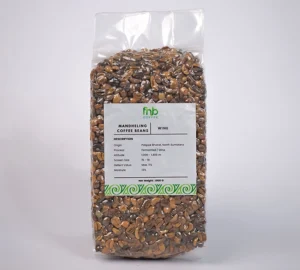
Some coffee products may not qualify for halal certification because of the name, even if the ingredients themselves are not necessarily haram. In Indonesia, LPPOM MUI has explained that “wine coffee” can face halal certification issues because halal product criteria include rules around names associated with alcoholic beverages.
This does not always mean the coffee contains wine. In coffee culture, “winey” can describe fruity acidity or fermented flavor notes. But for halal certification, names associated with alcoholic drinks can create problems. So the better wording for consumer education is: wine coffee may be uncertifiable or doubtful depending on local halal rules, naming, and ingredients.
Is Luwak Coffee Halal?

Luwak coffee can be halal if the beans remain intact, are properly cleaned, and meet halal requirements. The concern is not the coffee itself, but the fact that the beans pass through the digestive system of a civet and come out with feces.
MUI-related guidance explains that kopi luwak is considered mutanajjis, meaning it has come into contact with impurity, but it can become halal after proper purification. The beans should remain intact and be cleaned thoroughly. Malaysian fatwa guidance gives a similar condition: the beans must be purified from impurity and remain in good condition, not broken or damaged, and able to grow if planted.
For consumers, the practical answer is simple: choose luwak coffee from a trustworthy producer with halal certification. For buyers, importers, or café owners, certification is especially important because luwak coffee is more sensitive than ordinary coffee in halal audits.
Are All Coffees Halal?
In general, all coffees are halal, yet there is one that cannot be considered halal, namely wine coffee. It is due to the product’s name, which contains the word “wine .”According to Dr. Ir. Muslich, M.Si., there are specific criteria regarding the halal certificates for food products in Indonesia.
One of the criteria is related to the product’s name. Coffee wine, for instance, is not considered halal because it has “wine” in it, and the name is considered haram. While the product doesn’t have any haram ingredients, they remain haram.
Fatwa About Coffee and Caffeine Considered Halal

Fatwas regarding the halal status of coffee and caffeine have been stated above. But there is one additional Fatwa by Imam Shihab al-Din which addressed that it is lawful to consume everything permissible, excluding what Allah has made to be forbidden.
So, coffee is lawful to drink since it’s free of anything that leads to drunkenness and doesn’t harm the body. In fact, this bitter beverage makes your body feels energized to tackle all your daily chores. Still, it’s important to note that all lawful things to be consumed can harm the body if consumed excessively.
Also read: Indonesian Palm Civet Coffee: The World’s Most Expensive Coffee
Islamic Attitudes Toward Coffee and Caffeine Consumption
While coffee is now halal-friendly, it was once considered ‘sinful’ by Kha’ir Beg, a governor of Mecca, in 1511 CE. It was once again banned in Cairo and Constantinople during the reign of the Ottoman Empire. Seyhulislam Ebussuud, the Ottoman’s official religious scholar, issued a fatwa against the consumption of coffee.
During those times, governors and strict Muslim scholars viewed coffee as a stimulant with effects similar to alcohol, questioning its permissibility. As coffee shop gatherings grew, discussions that rulers considered radical also began to spread, leading to debates on topics like is coffee halal.
There was a possibility of riot since people might have plans to overthrow the ruler; thus, the ban. They even issued death threats to anybody who disobeyed the order. All these were because the government was worried about their collapse.
The ban on coffee consumption wasn’t lifted until 1524, when Mufti Mehmet Ebussuud el-Imadi, the grand scholar during Sultan Selim I’s reign in the Ottoman Empire, issued a fatwa declaring coffee permissible. Since then, coffee has remained halal, and the question of “is coffee halal” has been answered affirmatively, with coffee being widely enjoyed by Muslims around the world.
Final Answer: Is Coffee Halal or Haram?
Coffee is generally halal, especially when it is plain black coffee made from roasted coffee beans and water. Caffeine is also generally permissible in normal amounts because it does not intoxicate like alcohol.
However, not every coffee product is automatically halal. Flavored coffee, instant coffee mixes, bottled coffee drinks, creamers, syrups, and luwak coffee should be checked more carefully. The safest choice is to buy coffee from transparent producers and choose halal-certified products when ingredients or processing are not clear.
For most coffee lovers, the rule is practical: plain coffee is halal, processed coffee needs checking, and certified coffee gives the most peace of mind.
Conclusion

So, is coffee halal or haram? As already elaborated above, coffee is considered halal because it has no ingredients that can lead to drunkenness or inebriating effects.
Also, all coffees are practically halal, including the well-known Luwak coffee, which comes from civet droppings. However, wine coffee cannot be considered halal because of the word “wine” in its name.
Looking to enjoy a cup of coffee with peace of mind?
At FnB Coffee, we prioritize offering halal-certified coffee options that align with your values. Explore our range of delicious and ethically sourced coffee today!
👉 Shop now and discover the difference at FnB Coffee 👈
FAQ
1. Is black coffee halal?
Yes. Black coffee is generally halal because it is made from coffee beans and water, with no haram ingredients added.
2. Is espresso halal?
Yes. Espresso is generally halal when made only from coffee grounds and water.
3. Is caffeine haram?
No, caffeine is generally not considered haram in normal amounts. It is a stimulant, not an intoxicant like alcohol.
4. Is flavored coffee halal?
Flavored coffee can be halal, but it depends on the flavoring. Check for alcohol-based extracts, liqueur-style flavors, and halal certification.
5. Is luwak coffee halal?
Luwak coffee can be halal if the beans remain intact, are properly purified, and meet halal requirements. A halal-certified product is the safest option.
6. Is wine coffee halal?
Wine coffee may not contain alcohol, but the name can be problematic for halal certification in Indonesia. Check ingredients and certification before consuming it.
7. Is instant coffee halal?
Plain instant coffee is generally halal. Instant coffee mixes with creamer, flavoring, or additives should be checked for halal certification.

I write for FnB Coffee, and I always have a passion for writing anything that can presents Indonesian Coffee Diversity. From the highlands of Sumatra to the volcanic soils of Java and the unique flavours of Sulawesi, I hope to tell a plethora of stories to showcase the history, customs, and creativity behind Indonesia’s coffee culture. From the cultivation side of farming and sustainability, to brewing and flavor notes, my articles dive into everything to find out what makes Indonesian coffee truly one of a kind.