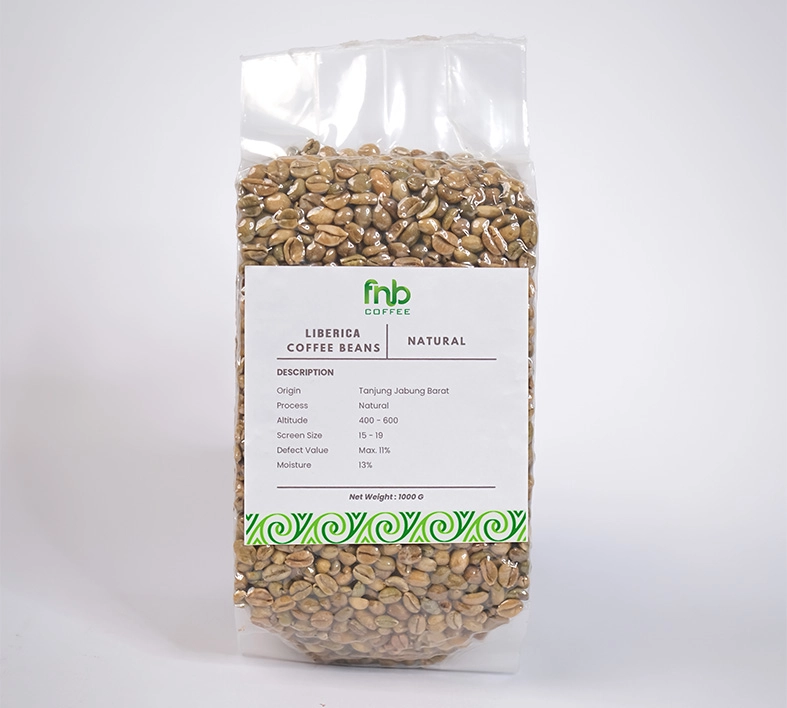
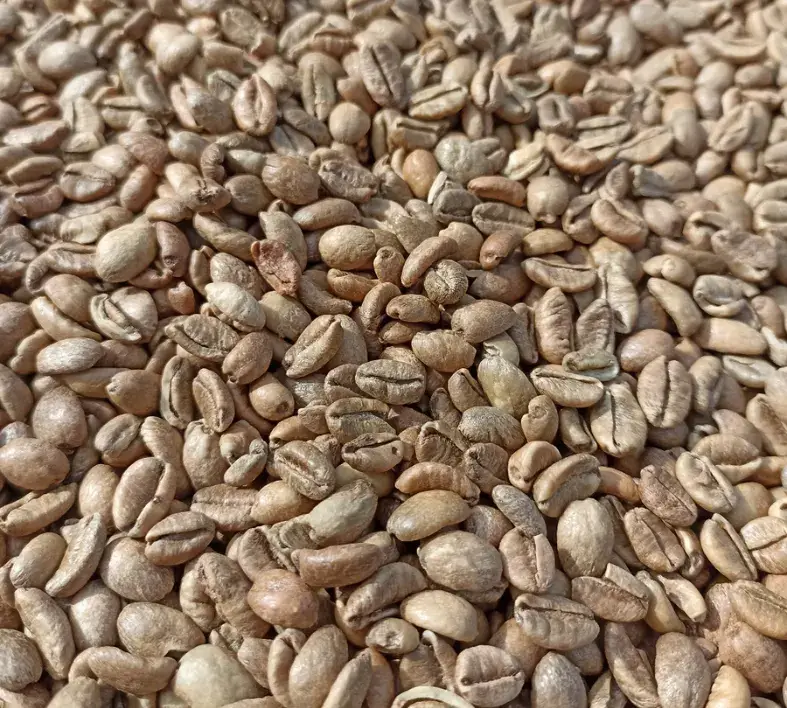
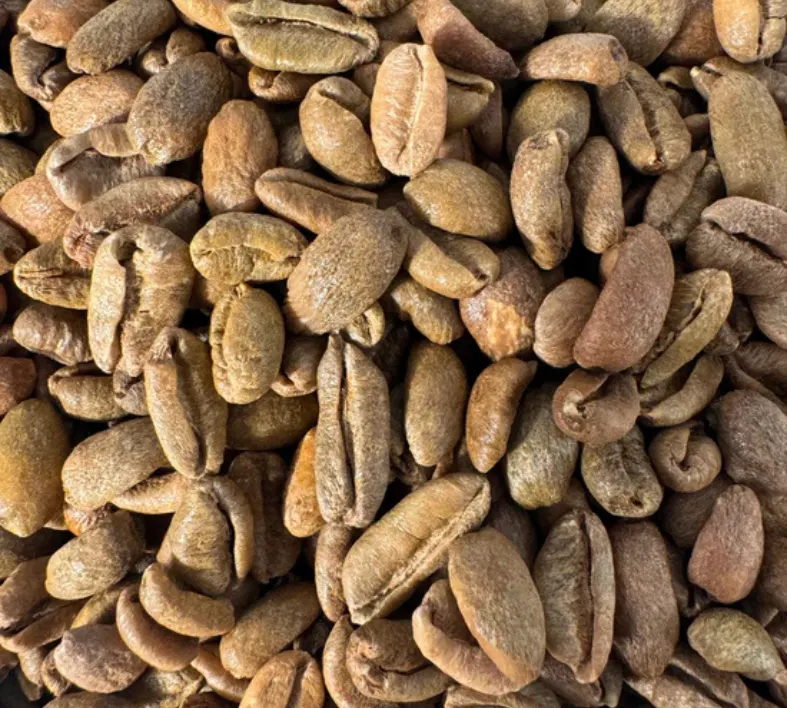
Indonesian Liberica coffee offers a rare cup profile that stands out from classic Arabica and Robusta. This Liberica green coffee from Indonesia is designed for roasters, distributors, and importers who want to add something distinctive to their lineup.
Carefully selected and processed at origin, the beans are prepared for bulk orders and export, with consistent quality parameters and professional handling. Whether you use Liberica as a characterful component in blends or as a single-origin highlight, this coffee provides a unique sensory experience while maintaining the reliability B2B buyers need.
Note: The minimum purchase requirement is USD 100.
Want to order or have a question? Please contact us: [email protected]
Product Overview
Indonesian Liberica coffee is one of the most distinctive varieties in the coffee world, known for its bold character and unconventional flavor profile. This Liberica green coffee from Indonesia is curated specifically for roasters, distributors, and importers who want to go beyond familiar Arabica and Robusta offerings and introduce something memorable to their customers.
Unlike generic commodity coffee, our Liberica is sourced directly from Indonesian producers and processed with B2B requirements in mind. From green grading and moisture control to packaging suitable for export, each step is designed to support reliable, repeatable roasting results rather than one-off spot purchases.
Coffee Type & Origin
This product consists of Liberica coffee beans (Coffea liberica) grown in Indonesia, a country long recognized for its diverse coffee varieties and unique terroirs. Liberica is still relatively rare in global markets, yet it has deep roots in Indonesian coffee history, especially in certain regions where the variety has adapted well to local conditions.
If you require specific region, altitude, or farm-level traceability, our team can share the available origin information and current lots on request. This allows roasters and importers to align Liberica offerings with their brand’s transparency and storytelling standards.
Flavor & Cupping Profile
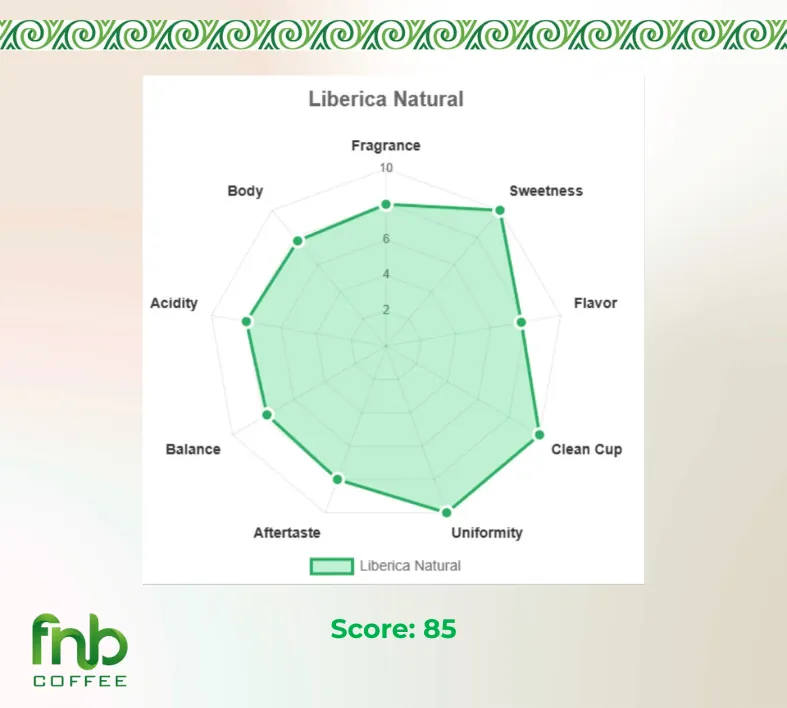
Liberica coffee is often appreciated for its unconventional aroma and cup character compared with mainstream Arabica and Robusta. Depending on the lot and processing, it may present a mix of fruity, woody, or smoky notes, with a heavier body and a lingering finish. Many roasters use Liberica selectively in blends to create a signature profile that customers remember.
For each available lot, we recommend cupping before committing to a larger volume. If cupping scores and notes are already documented by your QC or our team, they can be shared alongside samples so you can evaluate how Liberica fits your roasting style and target market.
Applications for Roasters & Importers
Liberica green coffee from Indonesia can play several roles in a professional portfolio:
As a distinct component in espresso or filter blends that require a bolder, more unconventional note.
As a single-origin or limited-release offering to highlight lesser-known varieties and spark customer curiosity.
As a differentiator for brands that want to emphasize Indonesian coffee diversity and go beyond standard origins.
Because Liberica behaves differently during roasting compared with many Arabica lots, we encourage roasters to test several profiles at a small scale first. Once you identify a profile that matches your brand and target consumers, volumes can be adjusted based on your demand and our available stock.
Quality, Grading & Preparation
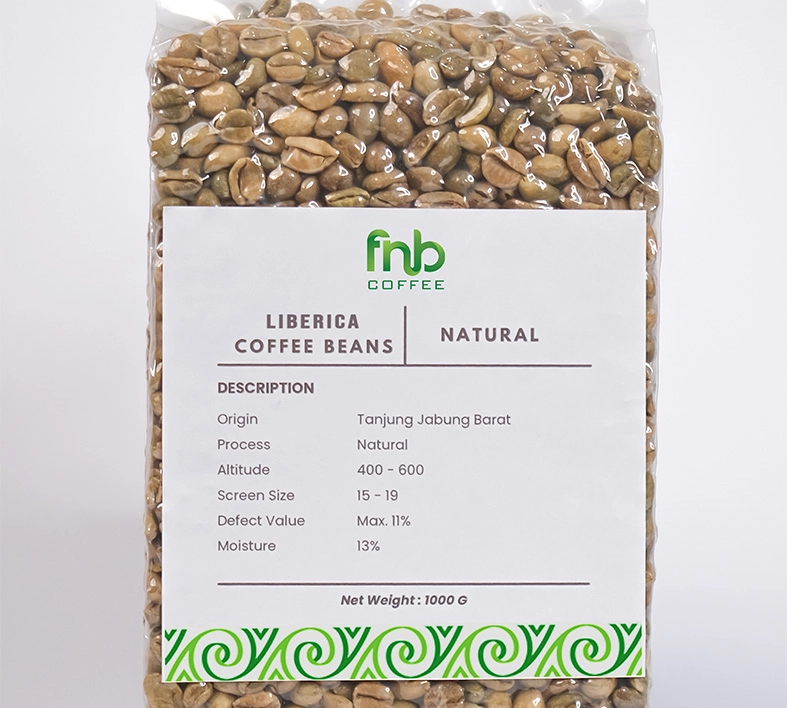
All Liberica beans supplied through this product page are prepared as green coffee suitable for roasting, with standard quality checks applied. Typical parameters may include screen size, moisture content, and defect count, according to the grade available for each lot. Exact numbers will depend on current harvests and grading results and should be confirmed with our team before finalizing an order.
Our focus is to provide consistent, roast-ready Liberica that minimizes risk for B2B buyers. Proper drying, storage, and packaging help preserve the beans’ integrity during transport, especially for export shipments that may face long transit times. If you have specific technical requirements, please share them when you inquire.
Ordering, Samples & Export Support
This Liberica coffee is intended for wholesale buyers, roasters, distributors, and importers rather than individual consumers. Minimum order quantity, price per kilogram, and available packaging formats will depend on the current lot and destination. Instead of displaying a static price, we provide tailored quotations based on volume, shipping route, and terms.
Sample requests are welcome for qualified buyers who are evaluating Liberica as part of their portfolio planning. You can contact us to discuss sampling, current lots, and lead times. For export shipments, our team can support the standard documentation required to ship coffee from Indonesia, including certificates and logistics coordination, depending on the agreement in place.
If you are exploring Liberica for the first time or looking to expand an existing Liberica line, this Indonesian Liberica green coffee offers a practical, origin-based entry point backed by a supplier focused on long-term B2B relationships.