Last Updated on 29 May 2026 by Pippo Ardilles
Luwak coffee price at FnB Coffee ranges from USD $50 to USD $94 per kg, depending on the product form: green beans, roasted beans, or powder. The price is listed per kilogram, with a minimum purchase requirement of USD $100. For green bean orders, Phyto + Quarantine documentation is available at USD $28 per order.
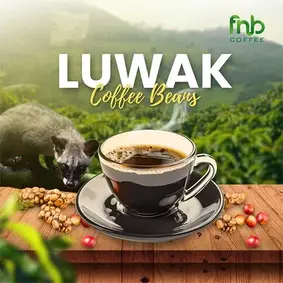
Kopi luwak, also known as civet coffee, is one of Indonesia’s most distinctive specialty coffees. Its price is higher than regular coffee because of its limited availability, unique civet-fermented process, careful cleaning and sorting, and strong demand from specialty coffee buyers, roasters, importers, cafés, hotels, and distributors.
For business buyers, the best way to evaluate the true cost is not only by checking the price per kg, but also by reviewing product form, origin, grade, export documents, order volume, shipping terms, and ethical sourcing standards.
Current Luwak Coffee Price per Kg
The current FnB Coffee luwak coffee price range is USD $50–$94 per kg. Green beans are generally the most cost-efficient option for importers and roasters. In contrast, roasted beans and powder are better suited to cafés, retailers, hotels, and private-label buyers who need ready-to-use products.
| Product Form | Price Guidance | Best For | Buyer Notes |
|---|---|---|---|
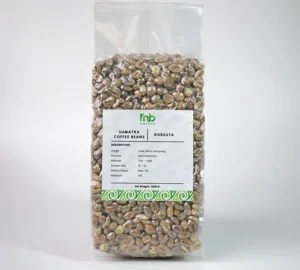
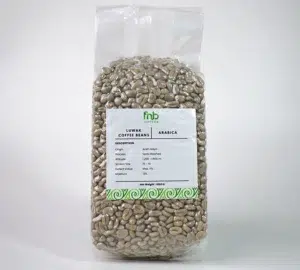
| Green Beans | From USD $50/kg | Importers, roasters, distributors | Best for buyers who want control over roasting profile and resale margin |
| Roasted Beans | Within USD $50–$94/kg range | Cafés, hotels, specialty retailers | Suitable for buyers who need ready-to-brew premium coffee |
| Powder / Ground Coffee | Within USD $50–$94/kg range | Retail, private label, hospitality | Practical for direct consumer use and packaged coffee products |
Prices may vary depending on stock availability, order quantity, packaging needs, export requirements, and market conditions. For accurate bulk pricing, buyers should request the latest quotation before placing an order.
Why Is Luwak Coffee So Expensive?
Luwak coffee is expensive because it is rare, labor-intensive, and requires careful sourcing and processing. Unlike regular coffee, kopi luwak is produced from coffee cherries that have been eaten and naturally fermented through the digestive system of civets before the beans are collected, cleaned, dried, sorted, and processed.
Several factors affect the final kopi luwak price:
- Limited supply: Genuine luwak coffee is not produced in the same volume as commercial Arabica or Robusta coffee. The collection process is naturally limited, especially when buyers prefer responsibly sourced or wild-sourced beans.
- Manual collection and processing: After collection, the beans must be cleaned thoroughly, dried properly, sorted, and processed with strict hygiene standards. This adds labor and handling costs.
- Product form: Green beans usually cost less than roasted beans or powder because they require less final-stage processing. Roasting, grinding, packaging, and quality control increase the finished product price.
- Quality and grading: Important quality indicators include moisture level, screen size, defect value, processing method, aroma, acidity, body, and flavor notes. Higher consistency usually leads to stronger market value.
- Export and documentation needs: Importers may need documents such as Certificate of Origin, phytosanitary documents, quarantine documents, or other export-related paperwork, depending on destination country requirements.
- Authenticity and ethical sourcing: Kopi luwak buyers often ask whether the coffee is responsibly sourced. Transparent sourcing can support trust, especially for premium retailers and international buyers.
Green Beans vs Roasted Beans vs Powder: Which One Should You Buy?
Green beans are best for roasters and importers, while roasted beans and powder are better for buyers who need ready-to-sell or ready-to-brew coffee. The right option depends on your business model, target customers, and operational capacity.
Green Luwak Coffee Beans
Green beans are ideal if you want full control over roasting profile, freshness, and final product positioning. This option is commonly chosen by coffee importers, specialty roasters, distributors, and businesses that already have roasting facilities.
Choose green beans if you want to:
- Create your own roast profile
- Control final flavor development
- Sell to cafés or specialty coffee shops
- Import in bulk
- Build a premium private label coffee line
Roasted Luwak Coffee Beans
Roasted beans are suitable for cafés, hotels, restaurants, and specialty retailers that want a ready-to-brew premium coffee product. This format saves time because the roasting process is already handled before delivery.
Choose roasted beans if you want to:
- Serve kopi luwak directly to customers
- Sell premium whole bean coffee
- Avoid investing in roasting equipment
- Offer a luxury coffee menu item
Luwak Coffee Powder
Powder or ground luwak coffee is practical for retail packaging, hospitality service, corporate gifts, and private label products. It is easier for end users because it does not require a grinder.
Choose powder if you want to:
- Sell consumer-ready coffee
- Create gift packs or retail packs
- Serve hotel guests or premium clients
- Build a convenient luxury coffee product
What Does Kopi Luwak Taste Like?
Kopi luwak is known for a smooth body, medium acidity, and flavor notes that may include chocolate, caramel, almond, vanilla, roasted nuts, and mild earthy sweetness. The exact taste can vary depending on origin, bean variety, roast level, brewing method, and storage conditions.
FnB Coffee’s Kopi Luwak Coffee is positioned as an Indonesian Arabica coffee with a smooth and balanced cup profile. This makes it suitable for buyers looking for a rare, premium, and story-driven coffee product.
Product Specification Buyers Should Check
Before buying luwak coffee, check the specifications carefully because price alone does not show product quality. For wholesale and import buyers, specifications help compare one supplier with another more objectively.
Key specifications to review include:
| Specification | Buyer Relevance |
|---|---|
| Coffee type | Helps identify whether the coffee is Arabica, Robusta, or a blend |
| Product form | Green beans, roasted beans, or powder |
| Origin | Important for traceability and market positioning |
| Processing method | Affects flavor, quality consistency, and buyer expectations |
| Screen size | Helps assess bean size uniformity |
| Moisture level | Important for storage stability and export quality |
| Defect value | Helps assess sorting quality |
| Cupping score | Useful for specialty coffee positioning |
| Flavor notes | Helps match product with target customers |
| Export documents | Important for international trade and customs clearance |
How to Evaluate Luwak Coffee Price Before Buying
To evaluate kopi luwak price correctly, compare the total buying cost, not only the listed price per kg. A lower price is not always better if the product lacks documentation, consistency, reliable sourcing, or export readiness.
Use this checklist before ordering:
- Is the price listed per kg?
- What is the minimum purchase requirement?
- Is the product green bean, roasted bean, or powder?
- Is the coffee Arabica or Robusta?
- What is the origin or production area?
- What are the moisture level and defect value?
- Are samples available before bulk purchase?
- Are export documents available?
- Is the supplier experienced in wholesale or international orders?
- Are sourcing and animal welfare claims explained clearly?
This checklist is especially important for importers, distributors, roasters, and retailers who plan to resell kopi luwak in premium markets.
Is Luwak Coffee Worth the Price?
Luwak coffee can be worth the price for buyers who need a rare, premium, and highly marketable coffee product. It is not usually purchased as an everyday coffee. Instead, it is often positioned as a luxury coffee, gift product, specialty café menu item, or premium retail offering.
For coffee enthusiasts, kopi luwak offers a unique tasting experience and a strong story behind the cup. For businesses, its value comes from rarity, customer curiosity, premium positioning, and the ability to offer something different from standard specialty coffee.
However, buyers should avoid choosing kopi luwak based only on novelty. The best purchase decision should consider quality, traceability, ethical sourcing, hygiene, documentation, and supplier reliability.
How to Order Luwak Coffee from FnB Coffee
To order luwak coffee from FnB Coffee, choose the product form, check the latest price, confirm the required quantity, and contact the team for a sample or wholesale quotation. Buyers can select green beans, roasted beans, or powder depending on their business needs.
Recommended ordering steps:
- Choose your product form: green beans, roasted beans, or powder.
- Confirm the latest price per kg.
- Check the minimum purchase and available stock.
- Request a sample if needed.
- Ask for product specifications and export documents.
- Confirm packaging, shipping terms, and destination requirements.
- Place your order after quotation confirmation.
For importers and wholesale buyers, it is recommended to discuss order volume, documentation, shipping destination, and product usage before finalizing the purchase.
FAQ
1. How much is luwak coffee per kg?
Luwak coffee at FnB Coffee ranges from USD $50 to USD $94 per kg, depending on whether you choose green beans, roasted beans, or powder. Green beans are usually the most cost-efficient option for roasters and importers.
2. Why is kopi luwak more expensive than regular coffee?
Kopi luwak is more expensive because it has a limited supply, requires manual collection and careful processing, and is positioned as a rare specialty coffee. Authenticity, ethical sourcing, product quality, and export documentation can also affect the final price.
3. Is green luwak coffee cheaper than roasted luwak coffee?
Yes, green luwak coffee is generally cheaper than roasted beans or powder because it has not gone through final roasting, grinding, and retail-ready preparation. It is usually preferred by roasters, importers, and distributors.
4. What is the minimum purchase for FnB Coffee luwak coffee?
The minimum purchase requirement listed on the FnB Coffee product page is USD $100. Buyers should confirm the latest requirements before placing an order because availability and order terms may change.
5. Are there additional costs for green bean orders?
Yes. For green bean orders, Phyto + Quarantine documentation is listed at USD $28 per order. Buyers should also consider shipping, packaging, destination-country import requirements, and any additional documents needed.
6. Who should buy luwak coffee in bulk?
Bulk luwak coffee is suitable for coffee importers, roasters, cafés, hotels, restaurants, specialty retailers, distributors, and private label brands that want to offer a premium Indonesian coffee product.
7. What should I check before buying kopi luwak?
Before buying kopi luwak, check the price per kg, product form, origin, coffee type, processing method, moisture level, defect value, flavor profile, available documents, sample availability, and sourcing transparency.


I write for FnB Coffee, and I always have a passion for writing anything that can presents Indonesian Coffee Diversity. From the highlands of Sumatra to the volcanic soils of Java and the unique flavours of Sulawesi, I hope to tell a plethora of stories to showcase the history, customs, and creativity behind Indonesia’s coffee culture. From the cultivation side of farming and sustainability, to brewing and flavor notes, my articles dive into everything to find out what makes Indonesian coffee truly one of a kind.