

In its early development, coffee beans took about 6 months or more after the harvest before reaching coffee enthusiasts. It was in the 1500s when coffee beans made their first journey across the ocean to Europe, shipped through the port of Mocha in what is now Yemen.
At that time, sending coffee beans to Europe was a lengthy process, often traveling through the southern tip of Africa. Despite the aging of the coffee during the journey, European coffee enthusiasts still savored it. This marked the emergence of two groups of coffee enthusiasts – those who appreciated aged coffee and those who preferred it fresh. This trend continued even as coffee production expanded to Indonesia and India.
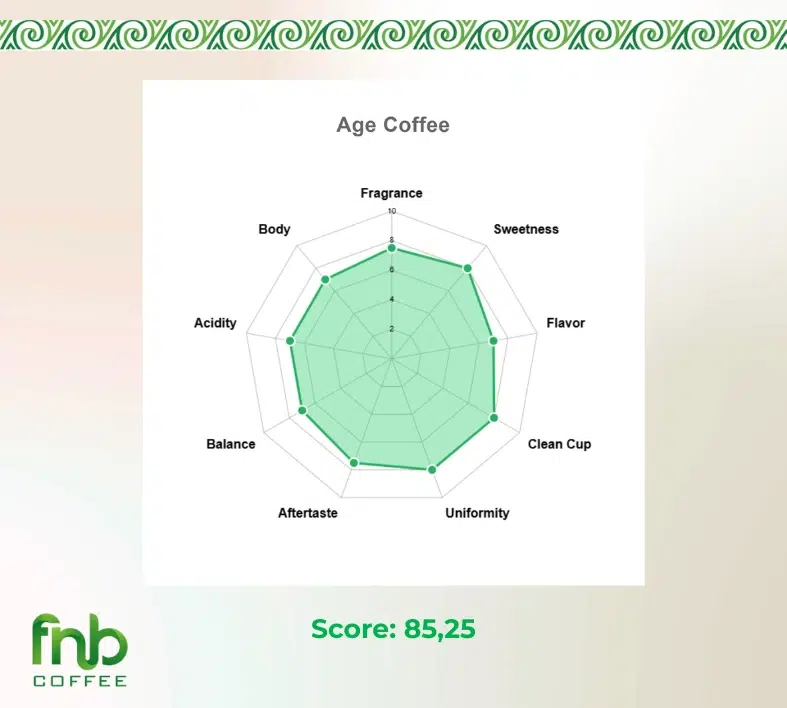
Age Coffee is distinguished by its complex and evolved flavor profile, which differs significantly from fresh coffee. While the exact taste depends on the origin, processing method, and aging conditions, aged coffee typically exhibits:
The specifications of age green coffee beans refer to factors that determine their quality and usability over time. Key aspects include:
Due to the time-intensive nature of aging coffee, it remains a niche product in the coffee industry. Unlike freshly harvested coffee, which is widely available, aged coffee requires years of careful storage and monitoring, making it more expensive and less commonly found. Specialty coffee roasters and premium coffeehouses are more likely to offer aged coffee, often marketing it as a luxurious and unique option for discerning coffee drinkers.
Collectors and aficionados of fine coffee often seek out rare aged varieties, much like wine enthusiasts seek vintage bottles. The appreciation for aged coffee extends beyond taste, encompassing the history, craftsmanship, and patience required to produce such a refined brew.
$23 – $40Price range: $23 through $40
Note: The minimum purchase requirement is USD 100.
Want to order or have a question? Please contact us: [email protected]
In its early development, coffee beans took about 6 months or more after the harvest before reaching coffee enthusiasts. It was in the 1500s when coffee beans made their first journey across the ocean to Europe, shipped through the port of Mocha in what is now Yemen.
At that time, sending coffee beans to Europe was a lengthy process, often traveling through the southern tip of Africa. Despite the aging of the coffee during the journey, European coffee enthusiasts still savored it. This marked the emergence of two groups of coffee enthusiasts – those who appreciated aged coffee and those who preferred it fresh. This trend continued even as coffee production expanded to Indonesia and India.
| Weight | 0.58 kg |
|---|---|
| Type | Green Beans, Roasted Beans, Powder |
Download
in PDF file
Download
Our Flyer
Our
Price List
Frequently Asked Questions
Make
Draft Contract
Apply as
Distributor
Jakarta Office
Gedung Menara Sentraya, lantai 39, Jl. Iskandarsyah Raya No. 1A Kel. Melawai, Kec. Kebayoran Baru, Jakarta Selatan 12160.
Medan Office
Jl. Sei Besitang No.18 B, Sei Sikambing D, Kec. Medan Petisah, Kota Medan, Sumatera Utara – 20111
Warehouse
Jl Medan – Binjai. Mulyorejo
Kec. Sunggal, Kabupaten Deli Serdang Sumatera Utara. 20351
Plantation
Boangmanalu Salak
Kec. Salak, Kabupaten Pakpak Bharat Sumatera Utara. 22272
Specialty Coffee Processing Plan
Desa Pondok Balik Kec. Ketol, Kabupaten Aceh Tengah, Aceh. 24566