
Last Updated on 01 Apr 2026 by Tania Putri
Consumers want the perfect morning cup daily. Coffee shops deliver this magic consistently. Home brewers desire that same rich experience. Success requires starting with high quality ingredients. Poor ingredients yield bitter and flat drinks. Finding the right espresso beans changes everything. Buyers must understand agricultural sourcing and roasting.
Knowledge empowers better purchasing decisions instantly. The market offers countless variations and blends. Navigating these choices feels overwhelming for beginners. This guide simplifies the entire selection process. Readers discover actionable and transactional buying tips below.
Understanding What Makes Espresso Beans Unique
Many buyers ask about the core differences. Normal coffee and these roasts seem similar. However, roasters craft them for high pressure. Brewing machines force water through fine grounds. This intense method demands specific roast profiles. Lighter roasts often taste overly sour here.
Therefore, roasters extend the heating time slightly. This caramelizes sugars inside the seed fully. The result is a much richer flavor. It withstands the fast extraction process perfectly. Shoppers should prioritize purpose-built roasts always. Quality ingredients guarantee a superior morning beverage.
The Roasting Process For Espresso Beans
Roasting process transforms green seeds into aromatic wonders. Heat application requires extreme precision and skill. Master roasters monitor temperatures second by second. They listen for the distinct cracking sounds. The first crack indicates light roast status.
The second crack signals a darker profile. Oils emerge on the surface during this. This oil helps create a beautiful crema. Crema is the golden foam on top. Buyers love thick crema for aesthetic appeal. It also traps volatile aromas inside cups.
How to Select Fresh Espresso
Freshness dictates the final shot quality heavily. Stale coffee tastes flat and incredibly dull. Oxygen degrades delicate flavor compounds very fast. Buyers must check the roast date always. Supermarkets often sell products sitting for months. Specialty roasters print exact dates on bags. Consumers should consume roasts within four weeks. Peak flavor happens between day seven and twenty. Freshness creates the sweet and balanced notes. Never buy bags lacking a clear date.
Reading Labels on Espresso Packaging
Coffee bags contain vital information for buyers. The origin country indicates the basic flavor. Altitude numbers show the growing conditions clearly. Higher altitudes produce denser and sweeter seeds. Processing methods also alter the final taste. Washed processing creates a clean flavor profile. Natural processing yields heavy fruit notes beautifully. Buyers must match these notes to preferences.
Buyers follow strict rules for purchasing coffee.
- Check the printed roast date immediately.
- Inspect the bag for an air valve.
- Read the origin and altitude details.
- Identify the specific flavor tasting notes.
Top Blends vs Single Origin Espresso Beans
The coffee industry debates this topic endlessly. Both options offer distinct advantages for drinkers. Blends combine seeds from different global regions. Roasters aim for a balanced flavor profile. They want consistency throughout the entire year. Harvest seasons change coffee flavors over time. Blending masks these seasonal agricultural variations effectively. Cafes rely on blends for uniform drinks. Consumers appreciate knowing what to expect daily.
Benefits of Single Origin Espresso Coffee
Single origin coffees come from one farm. Sometimes they come from one specific cooperative.
- They offer distinct regional flavor profiles.
- Drinkers taste the true farm terroir.
- The acidity levels remain bright and crisp.
- They challenge the palate in exciting ways.
Aficionados prefer them for tasting sessions mostly. However, dialing in the machine proves harder. They require precise grind and temperature adjustments.
Best Storage Methods for Espresso
Proper storage preserves the delicate flavor compounds. Heat, light, oxygen, and moisture destroy coffee. Buyers must protect their investment carefully daily. Keep the product in an airtight container. Opaque containers block harmful ultraviolet light rays. Store the canister in a cool pantry. Avoid placing it near the hot oven. Never store daily coffee in the refrigerator. Refrigerators introduce damaging moisture and food odors.
Avoiding Moisture with Espresso Beans
Condensation ruins perfectly good coffee seeds instantly. Freezing coffee works only for long storage. Buyers must vacuum seal bags before freezing. Thaw them completely before opening the bag. This prevents instant condensation on cold seeds. Room temperature storage works best for daily use. Buy only what lasts for two weeks. Frequent buying ensures maximum freshness and quality.
Brewing the Perfect Espresso Shot
Great ingredients require excellent brewing technique always. The grind size determines the extraction time. Too fine causes bitter and harsh flavors. Too coarse results in weak watery drinks. Baristas use a scale for exact measurements. They weigh the grounds entering the portafilter. They weigh the liquid yield coming out. A common ratio is one to two. Eighteen grams of grounds yields thirty-six grams. This process takes about twenty-five seconds total.
Equipment Needed for Home Brewing
Brewing requires a dedicated machine and grinder. Burr grinders produce uniform particle sizes perfectly. Blade grinders chop seeds unevenly and poorly. Uneven grinds cause channeling during water extraction. Channeling ruins the taste of the drink. A quality tamper compresses the grounds evenly. Good water also plays a massive role. Filtered water prevents scale buildup inside machines. It also ensures the coffee flavors shine.
Exploring Different Roast Levels
Roasters categorize coffee into light, medium, and dark. Light roasts preserve the original farm characteristics. Drinkers notice high acidity and floral notes. Medium roasts balance acidity with deep sweetness. They offer a highly versatile cup easily. Dark roasts feature bold chocolate and nuts. The roasting process removes most acidic flavors. Oil covers the surface of dark seeds. This oil creates the classic heavy mouthfeel. Buyers must choose based on personal taste.
The Science of Crema Production
Crema indicates a successful and fresh extraction. It consists of emulsified oils and gas. High pressure forces these elements together fast. Fresh coffee releases more gas during brewing. Older coffee produces very thin and weak crema. Robusta varieties generate thicker foam than Arabica. Many roasters blend Robusta specifically for this. A thick golden layer enhances visual appeal. It also creates a luxurious texture upon sipping.
Necessary Barista Tools for Success
Proper equipment transforms good ingredients into greatness. A quality burr grinder remains top priority. Uniform particle sizes ensure an even extraction. Cheap blade grinders chop seeds into pieces. This causes bitter and sour flavors simultaneously. A heavy tamper compresses the coffee evenly. Digital scales measure precise input and output. Precision baskets improve the water flow rate. Baristas clean their machines daily preventing buildup.
Maintaining Equipment Properly
Dirty machines ruin the taste of coffee. Old oils become rancid inside brewing groups. Baristas must backflush the system with powder. This removes stubborn residue from internal valves. Grinders also require regular cleaning and maintenance. Coffee dust clogs the internal grinding chamber. Brushing the burrs improves daily grind consistency. Water filters prevent calcium scale inside boilers. Clean equipment guarantees a pure delicious cup.
The Journey from Farm to Cup
The coffee beans for your espresso begin as a bright red cherry. Farmers harvest these cherries entirely by hand. This selective picking ensures ripe fruit processing. Workers remove the fruit revealing the seed. Mills dry these seeds under warm sun. The drying process requires constant turning always. Moisture levels must drop to target percentages. Exporters pack the green seeds into bags. Cargo ships transport them to roasting facilities.
Understanding Fair Trade Practices
The global market often exploits rural farmers. Fair trade certifications guarantee minimum price safety. This protects workers from sudden market crashes. Cooperatives invest these funds into community projects. They build new schools and medical clinics. Ethical buyers support these sustainable economic practices. Transparency in sourcing builds trust with consumers. Shoppers willingly pay higher prices for ethics. Every purchase impacts a farming family directly.
Water Quality and Brewing Excellence
Water comprises the vast majority of beverages. Poor water quality ruins the best coffee. Tap water often contains heavy chlorine minerals. Chlorine creates harsh chemical tastes in cups. Too many minerals cause massive scale buildup. Distilled water lacks minerals needed for extraction. Baristas use specially filtered water for results. Magnesium and calcium extract flavor compounds efficiently. The perfect water balance highlights sweet notes.
Top Rated Espresso Beans for Buyers
Buyers need recommendations to start their journey. The market features hundreds of excellent roasters. Below is a comparison of top choices. This data helps consumers make informed decisions.
| Brand Name | Flavor Notes | Roast Level | Ideal Drink Type |
| Classic | Chocolate, Caramel | Dark | Milk Drinks |
| Origin | Blueberry, Jasmine | Light | Straight Shot |
| Blend | Hazelnut, Cocoa | Medium | Americano |
| Reserve | Cherry, Vanilla | Medium Dark | Cortado |
Consumers love these specific espresso beans daily. These selections provide exceptional value and taste. Drinkers report high satisfaction with the flavors. Each product undergoes rigorous quality control testing. Roasters ensure only defect-free seeds reach buyers. Consistent sizing promotes even roasting every batch. This attention to detail guarantees premium cups. Buyers appreciate the rich aromas upon opening.
Conclusion
Choosing the perfect roast transforms daily morning routines completely. Quality matters deeply for pulling excellent shots. Dark roasts offer rich chocolate and caramel notes. Medium roasts highlight bright fruit flavors very well. Freshness dictates the final crema and aroma perfectly. Proper storage extends optimal flavor profiles very safely. Great coffee begins with excellent global sourcing.
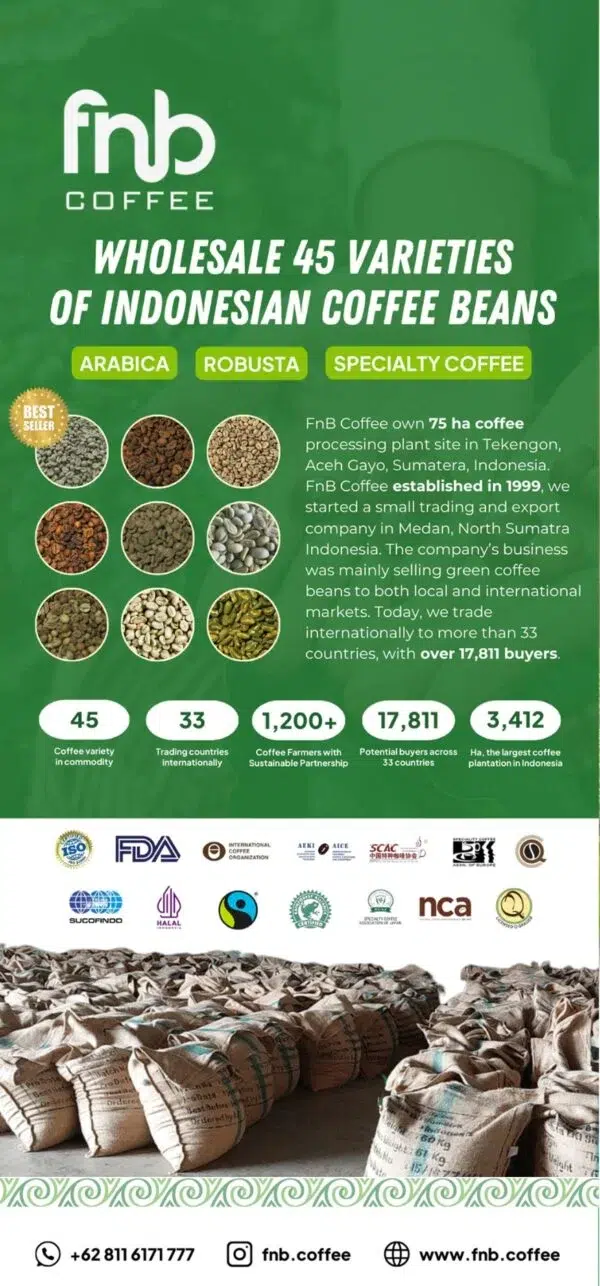
Consumers wanting to elevate home brewing experiences today must visit the premium FNB Coffee website. They offer freshly roasted options for every single palate. Buyers secure top tier quality with every order. Shoppers taste the remarkable difference with each sip. FNB Coffee delivers excellence straight to the front door. Drinkers should never settle for average morning cups!