Last Updated on 03 Jun 2026 by Tania Putri
Bright acidity coffee is green coffee whose lively, fruit-forward sparkle comes from real factors you can verify: high-grown arabica, careful processing, and a roast that protects those notes. Knowing what actually produces that brightness lets you buy with intent instead of hope. This guide covers what the term means, what drives it, how to judge a sample, and the questions worth asking before you commit.
Quick summary:
- Brightness is built at origin, then preserved or lost in processing and roast.
- Altitude and arabica genetics strongly influence the acidity you taste.
- Cupping by trained graders is the most reliable way to confirm quality.
- Price and marketing language are poor substitutes for documented evidence.
What Bright Acidity Coffee Really Means
In tasting terms, this is coffee with a clean, vivid acidity that reads as citrus, stone fruit, or berry rather than sourness. Acidity here is a positive quality, the crisp liveliness that gives a cup structure and lift. It is not the same as a thin or under-roasted brew. If you want the technical grounding, our overview of beans processing methods shows how different processes shape that character before the coffee ever reaches a roaster.
Why Acidity Quality Matters for Buyers
Acidity is often the first thing a trained palate notices, so it heavily shapes how a coffee is graded and priced. A well-defined bright acidity coffee tends to score higher on the cupping table and gives roasters more room to build a signature profile. Get it wrong, and you inherit flat or sour lots. The Specialty Coffee Association maintains the scoring framework most of the trade relies on for exactly this reason.
What Creates Bright Acidity
The brightness in a bright acidity coffee starts long before roasting. It is mostly set by where and how the coffee is grown, then shaped by processing and finished at the roaster.
Altitude, Origin, and Variety
Higher elevations slow cherry maturation, which concentrates the acids that read as brightness. Arabica grown at altitude in regions like the Indonesian highlands tends to carry more of this crisp character than low-grown lots. Origin and variety set the ceiling, which is why a dependable bright acidity coffee so often traces back to elevated farms. Independent reporting from Perfect Daily Grind regularly explains how elevation and genetics translate into cup profile.
Processing and Roast Level
Processing decides how much of that potential survives. Washed coffees often show cleaner, more linear acidity, while wine and natural ferments can amplify fruit-driven brightness. Roast level is the final lever. Push the roast too dark and you bury the very acidity you paid for, which is why a bright acidity coffee usually shines at a lighter to medium roast.
How to Evaluate a Sample
Cup it before you commit, and cup it blind if you can. A documented evaluation beats any label claim. When you assess a bright acidity coffee, look for clarity, balance, and a finish that stays clean rather than turning sour as the cup cools. Working with trained graders through a cupping service by Q-graders gives you scores you can compare across lots and seasons.
A Real Sourcing Scenario
Picture a roaster building a new single-origin line for spring. They request three samples described as “bright” and cup them side by side. One is sharp and sour, one is flat despite the marketing, and the third shows the clean citrus lift they wanted, backed by a grader’s score sheet. They choose the third, because a genuine bright acidity coffee proved itself on the table, not in the product description.
Common Mistakes Buyers Make
Most regrets come from trusting words over evidence. The recurring errors are easy to spot once named.
- Treating “bright” on a label as a guarantee rather than a starting point.
- Skipping a cupping and ordering volume on a single sip.
- Ignoring roast level, then blaming origin for a dull cup.
- Assuming the priciest bright acidity coffee beans are automatically the best fit for your blend.
For context on global pricing and supply that affects what you pay, the International Coffee Organization publishes data worth checking before you negotiate.
Bright vs Rounder, Low-Acidity Profiles
Neither style is better, they simply serve different goals. A bright acidity coffee suits filter programs and lighter roasts where clarity is the selling point. Rounder, low-acidity lots fit espresso blends or audiences who prefer a softer, heavier cup. Many buyers carry both. Match the profile to the end use, not brightness for its own sake.
Where Indonesian Lots Fit In
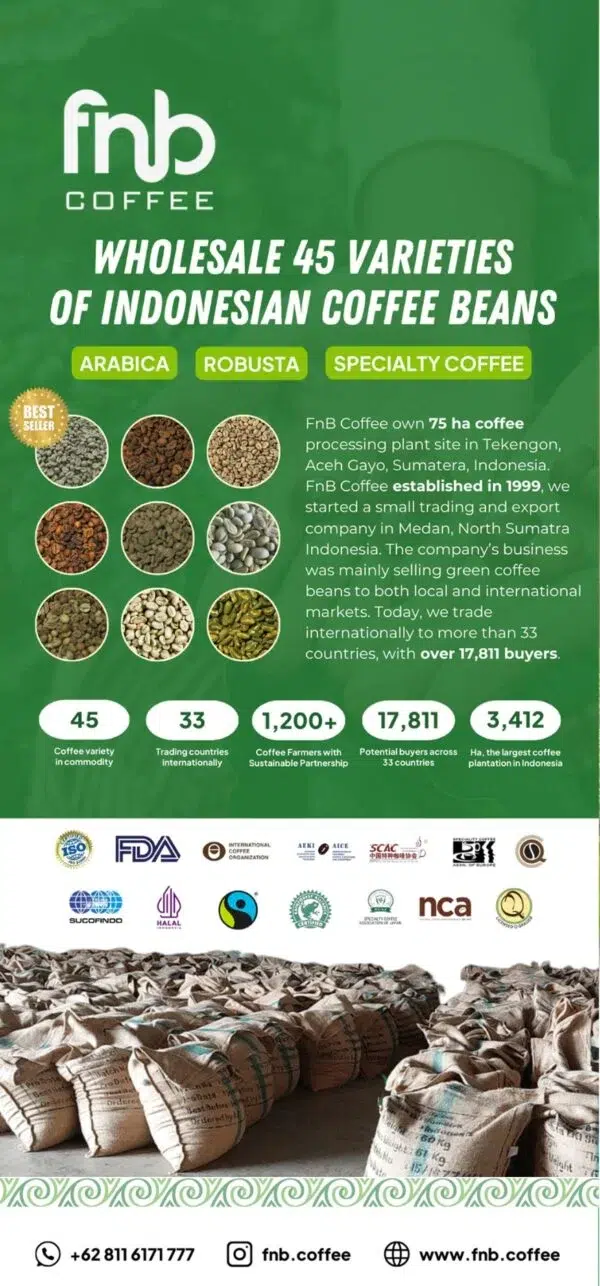
Indonesia offers a wide spectrum, from earthy classics to vivid, ferment-driven cups. FnB Coffee, a plantation-to-port supplier with roughly three decades of heritage, around 1,200 farmer partners, and Q-grader cupping at SCA 82 and above, leans into this range. Wine-fermented options like Java Wine, Gayo Wine Coffee, and Bali Wine Coffee push fruit-forward brightness, while the washed Aceh Gayo Coffee offers a cleaner, more classic acidity. To compare grades fairly, review the Indonesian coffee grading standards the country uses, and note that exports fall under oversight from the Indonesian Ministry of Trade.
A Quick Sourcing Checklist
Before you place an order, confirm these:
- Is there a recent cupping score from a trained grader?
- Do you know the altitude, origin, and processing method?
- Has the sample been cupped at the roast level you plan to use?
- Are wholesale terms and lead times clear? The wholesale terms and process page gives a sense of what to expect.
- Does the brightness hold as the cup cools?
A lot that cannot answer these is a gamble, however appealing the bright acidity coffee sounds on paper.
Frequently Asked Questions
What does bright acidity coffee taste like? Think crisp citrus, green apple, or berry, with a clean, refreshing finish. It feels lively rather than sour. Sourness usually signals a defect or under-development, not the positive acidity buyers are after.
Is bright acidity the same as sour? No. Bright acidity is structured and pleasant, while sourness is sharp and off-putting. The difference comes down to ripeness, processing, and roast. A careful cupping quickly separates one from the other.
Does roast level change acidity? Yes, significantly. Lighter to medium roasts preserve brightness, while darker roasts mute it in favor of body and bitterness. If acidity is your priority, specify the roast level when you request samples.
Which processing method gives the brightest cup? Washed coffees tend to be cleaner and more linear, while natural and wine ferments add fruit-driven intensity. There is no single winner. The right choice depends on the profile and the end use you are targeting.
How do I avoid overpaying for bright coffee? Buy on documented scores, not adjectives. A grader’s sheet and a blind cupping protect you better than price or marketing copy. Compare lots before committing.
Can I trust a supplier’s tasting notes? Treat them as a starting point, then verify by cupping. Reputable suppliers welcome sample requests and independent scoring, so transparency itself signals quality.
Where to Buy the Best Bright Acidity Coffee Beans
If you’re ready to explore the world of bright acidity coffee, you’ll want to start with high-quality beans that are known for their bright, lively flavors. Look for beans from regions like Gayo, Bali, and Toraja, which are known for their bright acidity profiles. You can find these beans at specialty coffee roasters and suppliers like FnB Coffee, a trusted supplier of Indonesian coffee beans with more than 25 years of experience in the industry.
Ready to experience the vibrant flavors of bright acidity coffee? Check out FnB Coffee, a leading supplier of high-quality Indonesian coffee beans. With over 50 single-origin coffees from across Indonesia, we offer a diverse range of options that showcase the best of Indonesian coffee, including those with bright acidity. Explore our selection and elevate your coffee experience today by visiting FnB Coffee’s Indonesia Green Coffee Beans collection.

I write for FnB Coffee, and I always have a passion for writing anything that can presents Indonesian Coffee Diversity. From the highlands of Sumatra to the volcanic soils of Java and the unique flavours of Sulawesi, I hope to tell a plethora of stories to showcase the history, customs, and creativity behind Indonesia’s coffee culture. From the cultivation side of farming and sustainability, to brewing and flavor notes, my articles dive into everything to find out what makes Indonesian coffee truly one of a kind.