
Last Updated on 27 Apr 2026 by Tania Putri
Coffee lovers everywhere chase that perfect cup, but few realize that flavor begins long before roasting. Every great brew traces back to a specific coffee farm where soil, sunlight, and skilled hands shape its character. In fact, the same arabica variety planted in two different countries can produce wildly different cups. Plus, the global coffee market keeps shifting toward traceability, so origin storytelling now drives both pricing and customer loyalty in equal measure.
Furthermore, understanding origin helps buyers, roasters, and cafe owners pick beans that genuinely sell. Therefore, this guide explores the world’s most celebrated coffee growing regions, sustainable practices, and how each coffee farm shapes flavor from seed to final cup with practical tips for sourcing wisely.
Top Coffee Farms in the World and What Makes Each Unique
Across continents, certain estates have earned legendary status. Their reputations come from heritage, microclimate, and obsessive attention to processing. Notably, an exceptional coffee farm usually combines volcanic soil, high elevation, and decades of family knowledge passed down through generations of careful growers.
Here are five regions every serious buyer should know:
- Yirgacheffe, Ethiopia: The birthplace of arabica, producing floral and tea-like cups.
- Boquete, Panama: Home of the famous Geisha variety with jasmine and bergamot notes.
- Antigua, Guatemala: Volcanic soil delivers smoky, full-bodied profiles.
- Sidamo, Ethiopia: Berry-forward, naturally processed gems beloved by specialty roasters.
- Pakpak Bharat, North Sumatra (Indonesia): FNB Coffee’s home estate, known for earthy, syrupy Sumatran character.
| Region | Country | Signature Flavor | Typical Altitude |
|---|---|---|---|
| Yirgacheffe | Ethiopia | Floral, citrus | 1,800–2,200 m |
| Boquete | Panama | Jasmine, peach | 1,400–1,800 m |
| Antigua | Guatemala | Cocoa, smoke | 1,500–1,700 m |
| Gayo Highlands | Indonesia | Earthy, herbal | 1,200–1,700 m |
| Blue Mountain | Jamaica | Mild, balanced | 900–1,700 m |
What sets these regions apart isn’t just geography. It’s also generations of farmers experimenting with cultivars, fermentation, and drying methods. Therefore, every bag of single-origin beans tells a story bigger than its tasting notes. Indeed, smaller operations across Kenya, Colombia, and Costa Rica also produce world-class lots that rival the giants.
How Climate and Altitude Shape Coffee Farm Flavors Globally
Climate is destiny in this industry. Higher elevations slow cherry maturation, which builds natural sugars and bright acidity inside the bean. As a result, beans grown above 1,200 meters typically earn higher cupping scores. Meanwhile, rainfall patterns, shade trees, and temperature swings between day and night also influence sweetness and complexity. So when buyers compare a coffee farm in Kenya with one in Sumatra, they’re essentially comparing two completely different weather systems and soil compositions.
Consider these climate-driven flavor patterns:
- High altitude (1,500 m+): brighter acidity, cleaner finish, floral aromatics
- Medium altitude (1,000–1,500 m): balanced body, chocolate and nut tones
- Low altitude (below 1,000 m): heavier body, earthy depth, milder acidity
- Volcanic soil regions: richer minerality and pronounced sweetness
For instance, Indonesia’s Gayo highlands sit between 1,200 and 1,700 meters, producing the syrupy, herbal profile that wholesale buyers love. Conversely, lower-altitude robusta zones favor bolder, punchier cups suitable for espresso blends and instant coffee production. Climate also dictates harvest timing, with some regions producing one main crop and others, like Colombia, harvesting twice a year thanks to mild equatorial conditions.
Sustainable Coffee Farming Practices Across Different Countries
Sustainability isn’t a marketing slogan anymore, it’s a survival strategy. Climate change threatens harvests worldwide, so growers must adapt fast or lose their livelihoods. Today, a forward-thinking coffee farm protects soil, water, and farmer livelihoods together rather than treating them as separate goals.
Common sustainable practices around the globe include:
- Shade-grown cultivation under native canopy trees (Colombia, Mexico)
- Organic composting using cherry pulp and husks for soil regeneration
- Water recycling in wet-mill processing (Costa Rica, Brazil)
- Cover cropping to prevent erosion (Ethiopia, Honduras)
- Direct-trade partnerships that pay farmers fairly (Indonesia, Rwanda)
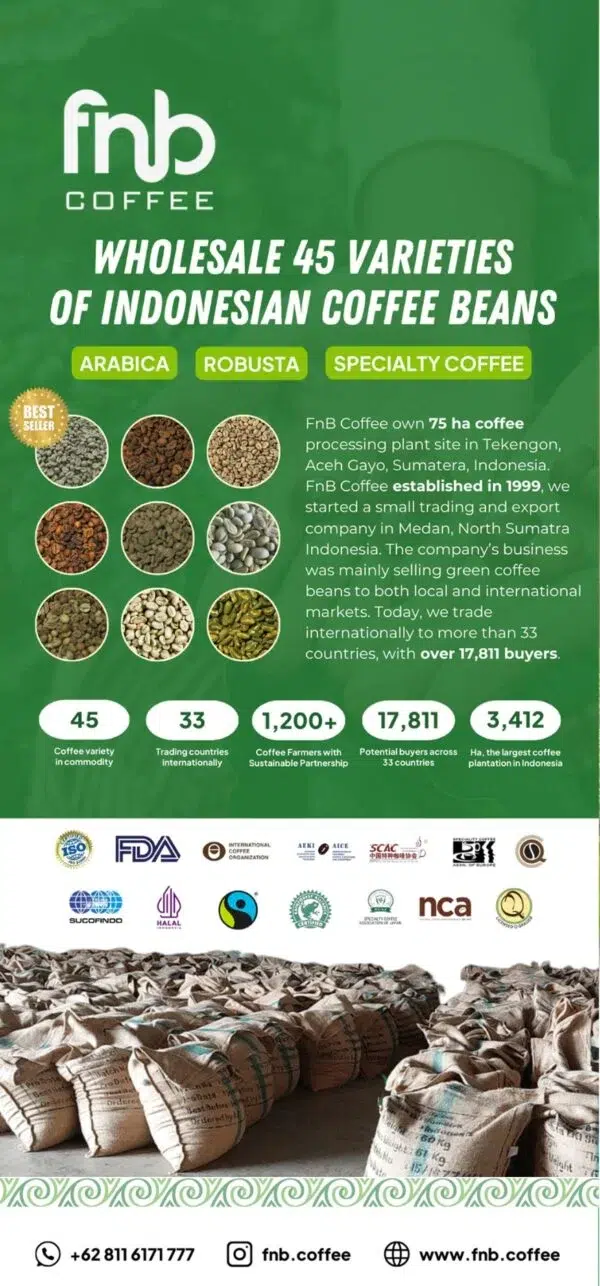
Take Costa Rica as a clear example. Many wet mills there now reuse over 90% of process water and turn cherry pulp into compost. Such practices reduce environmental impact while improving cup clarity, proving that responsibility pays back in flavor. Similarly, FNB Coffee partners with over 1,200 farmers across North Sumatra and Aceh, holding Rainforest Alliance certification. Consequently, sustainability and quality reinforce each other rather than compete for limited resources.
A Guide to Visiting Coffee Farms and Plantation Tours Worldwide
Origin tourism keeps growing because buyers want to see where their beans come from. Hospitality programs in producing countries have invested heavily in welcoming visitors over the past decade. Walking a real coffee farm connects roasters, café owners, and curious travelers to the people behind the cup. Plus, tasting a fresh cherry straight from the branch changes how anyone thinks about quality forever.
Top regions for plantation tours:
- Salento, Colombia: Jeep rides through the Coffee Triangle.
- Boquete, Panama: Geisha-focused estate visits with cuppings.
- Chiang Rai, Thailand: Hill-tribe community farms.
- Kintamani, Bali (Indonesia): Volcanic terroir with stunning views.
- Takengon, Aceh (Indonesia): Gayo highlands with traditional processing demos.
Useful tips before booking a tour:
- Schedule visits during harvest season, which varies by region
- Wear sturdy shoes because terrain is often steep and muddy
- Ask specifically about cupping sessions, not just sightseeing
- Bring small notebooks to record tasting impressions accurately
- Respect local customs and farmer schedules at all times
Ultimately, these trips inspire smarter purchasing decisions for businesses sourcing beans wholesale or building a private-label brand.
From Seed to Cup: How Coffee Farms Produce Premium Beans
Premium quality starts years before harvest. A productive coffee farm plants seedlings in shaded nurseries, transplants them carefully into prepared fields, and waits roughly three years for the first cherries to appear. Then the real work begins.
| Stage | What Happens | Time Required |
|---|---|---|
| 1. Nursery | Seedlings raised under shade | 6–12 months |
| 2. Planting | Transplanted to field | Year 1 |
| 3. Maturation | Trees develop and flower | 3–4 years |
| 4. Harvest | Ripe cherries hand-picked | Annually |
| 5. Processing | Washed, natural, honey, or wine | 1–4 weeks |
| 6. Drying | Sun-dried on raised beds or patios | 7–21 days |
| 7. Hulling & Grading | Defects removed, screen-sorted | 1–3 days |
| 8. Cupping | Q Graders score each lot | Ongoing |
Furthermore, the processing method matters as much as origin itself. Wine-process Sumatran lots, for example, develop deep fruit-forward notes that command premium pricing in specialty markets worldwide. Likewise, honey-processed beans sit between washed and natural styles, offering balanced sweetness that cafe owners increasingly request.
Meanwhile, wet-hulled processing uniquely Indonesian gives Sumatran beans their signature low-acid, full-bodied character that pairs beautifully with milk drinks.
Featured Indonesian Coffees from FNB Coffee
For buyers ready to source premium Indonesian beans, here are standout picks (prices per kilogram, wholesale-friendly):
| Product | Price Range | Best For |
|---|---|---|
| Aceh Gayo Coffee | $19 – $34 | Specialty blends |
| Sumatra Mandheling | $13 – $37 | Classic earthy profile |
| Sumatra Lintong | $20 – $34 | Single-origin espresso |
| Gayo Longberry | $36 – $58 | Premium roasters |
| Gayo Wine Coffee | $32 – $53 | Fruit-forward enthusiasts |
| Kopi Luwak | $50 – $94 | Luxury cafés |
Every lot ships from a Rainforest-Alliance-certified coffee farm in North Sumatra and Aceh, with full traceability from estate to export container. Sample requests are also available with a refundable USD 100 deposit.
Conclusion
In the end, every memorable cup begins on a coffee farm where land, climate, and skilled human effort meet. Whether sourcing for a café, roastery, or wholesale operation, understanding origin gives buyers a real competitive edge. Moreover, tasting widely across different regions sharpens the palate and helps build product lines customers genuinely return for again.
So if you’re ready to stock genuine Indonesian beans from a trusted source, FNB Coffee delivers Rainforest-Alliance-certified lots straight from Sumatra’s volcanic highlands. Browse the full product catalog online, request a free sample with refundable deposit, or download the complete wholesale price list today. Place your first order at FNB Coffee and elevate every single cup!