Last Updated on 18 Jun 2026 by Tania Putri
The washed coffee process is a coffee production method focused on precision, cleanliness, and controlled fermentation. It removes fruit material from coffee cherries before drying, using water as the main processing medium. Because each step follows measurable parameters, this approach supports consistency, traceability, and repeatable quality across producing regions and harvest seasons worldwide.
Because clarity matters for evaluation and trade, this article explains the system in structured detail. Each section addresses what happens, why it matters, and how it influences outcomes. The explanation avoids subjective language and focuses on observable results, measurable variables, and established production practices used across multiple coffee origins.
What Is the Washed Coffee Process?
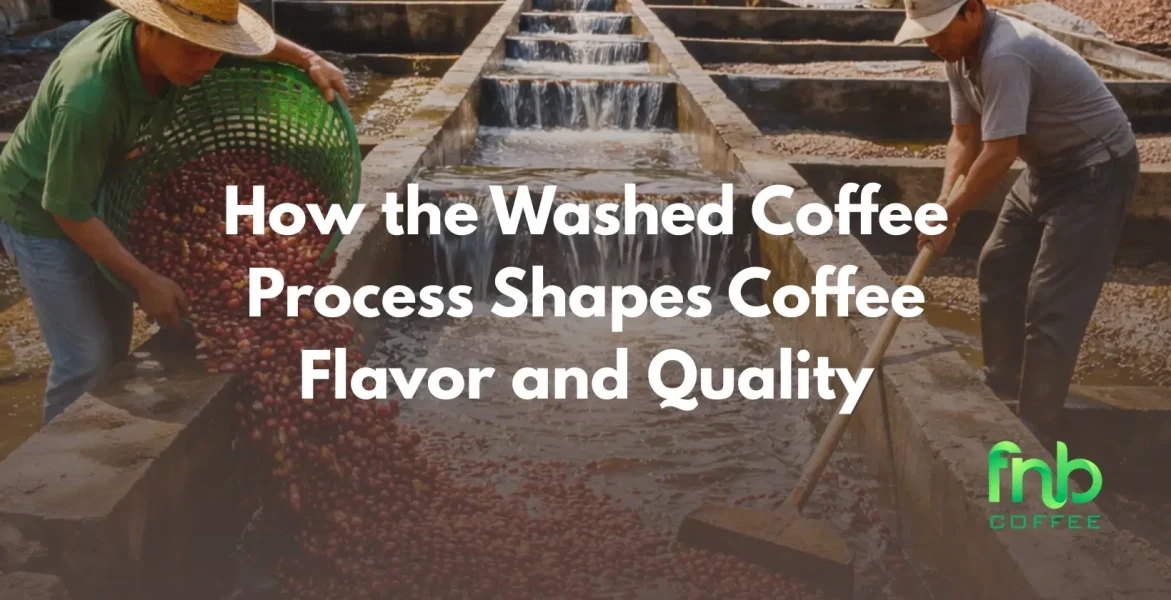
The washed coffee process is a post-harvest method where producers remove coffee cherry flesh before drying. After harvest, machines separate skin and pulp, leaving beans covered by mucilage. Controlled fermentation then breaks down remaining sugars. Water rinsing follows, producing parchment coffee ready for drying under regulated conditions.
This method developed to improve cleanliness, stability, and export reliability. By removing fruit early, producers reduce fermentation risk and flavor unpredictability. As a result, the washed coffee process supports transparent evaluation, consistent grading, and easier comparison between origins, farms, and seasons within global supply chains.
How the Washed Coffee Process Works Step by Step
Process control determines final coffee quality because each stage alters chemical development. Small timing or temperature changes can affect acidity, sweetness, and structural balance. Therefore, producers manage water exposure, fermentation duration, and drying rates carefully to achieve stable outcomes across variable climates and elevations.
Because defects often emerge during processing, structured workflows reduce risk. Producers document inputs, monitor conditions, and apply standardized steps. Within the washed coffee process, this discipline ensures repeatability, reduces contamination, and preserves origin characteristics intended by careful cultivation and selective harvesting practices.
Depulping and Fruit Removal
Depulping removes outer cherry skin and pulp using mechanical pressure. Machines separate beans quickly after harvest to prevent uncontrolled fermentation. This step limits microbial activity on exposed sugars. As a result, producers gain early control over flavor development while preparing beans for regulated fermentation stages.
Controlled Fermentation in Water Tanks
Fermentation breaks down mucilage through enzymatic activity and microbial interaction. Producers place depulped beans in tanks for timed intervals. Temperature, oxygen exposure, and duration influence sugar breakdown. Careful monitoring prevents over-fermentation while ensuring complete mucilage removal without introducing off-flavors or instability.
Washing and Mucilage Rinsing
After fermentation, producers rinse beans with clean water. Washing removes degraded mucilage and fermentation residues from parchment surfaces. This step halts microbial activity immediately. Therefore, beans enter drying stages with minimal organic residue, supporting uniform moisture reduction and cleaner sensory results.
Density Sorting and Channel Separation
Water channels often follow washing to separate beans by density. Heavier beans sink while lighter or defective beans float. This separation improves physical quality before drying. Density sorting also supports consistent roasting behavior by grouping beans with similar internal structure and moisture potential.
Drying Methods and Moisture Reduction
Drying reduces moisture to stable storage levels. Producers use patios, raised beds, or mechanical dryers depending on climate. Even airflow and regular turning prevent mold development. Slow, controlled drying preserves internal cell structure while protecting acids and aromatic compounds formed during fermentation.
Storage as Parchment Coffee
After drying, beans remain encased in parchment for storage. This layer protects against moisture absorption and physical damage. Producers store parchment coffee under stable humidity conditions until milling. Proper storage maintains quality achieved through earlier processing stages and prepares beans for export.
Why the Washed Coffee Process Affects Flavor Profile
Processing decisions shape chemical composition before roasting begins. Sugar breakdown, acid preservation, and moisture management all influence flavor perception. Because processing precedes roasting, it establishes the foundation upon which later transformations occur during heat application and extraction.
Within the washed coffee process, early fruit removal limits heavy fermentation flavors. As a result, intrinsic bean characteristics become more apparent. This transparency allows evaluators to assess cultivar, soil, altitude, and climate influences without masking effects from extended fruit contact.
Acidity Structure and Brightness
Washed coffees often display structured acidity. Controlled fermentation preserves organic acids rather than converting them into heavier compounds. Therefore, acidity appears cleaner and more defined. This structure supports crisp sensory impressions and predictable extraction behavior across brewing methods and roast levels.
Flavor Clarity and Separation
Flavor clarity refers to distinct sensory notes without overlap. By removing fruit early, producers reduce competing fermentation byproducts. The washed coffee process enhances separation between sweetness, acidity, and aroma. This separation helps tasters identify origin markers and roasting impacts more accurately. Experience Gayo Mandheling coffee crafted for cafes, roasters, and professionals seeking clarity, balance, and reliability from FNB Coffee.
Sweetness Expression and Balance
Sweetness in washed coffees derives from retained sugars within the bean. Controlled fermentation prevents excessive sugar consumption by microbes. As a result, sweetness appears refined rather than heavy. Balanced sweetness supports acidity without dominating flavor perception during tasting or brewing evaluation.
Mouthfeel and Texture Development
Mouthfeel describes tactile sensation during consumption. Washed coffees often show lighter body due to reduced polysaccharide residue. This texture feels clean and smooth rather than syrupy. Such structure supports clarity-focused profiles favored in evaluation, competition, and educational tasting environments.
Origin Transparency and Traceability
Origin transparency improves when processing introduces minimal flavor distortion. Washed coffees highlight soil, elevation, and cultivar differences more clearly. This transparency supports traceability claims and farm differentiation. Buyers can link sensory attributes directly to production conditions rather than processing artifacts.
Roast Compatibility and Consistency
Washed coffees respond predictably during roasting. Uniform moisture and density enable even heat transfer. Roasters can develop profiles with precision and repeatability. This compatibility reduces batch variation and supports consistent flavor delivery across commercial and specialty roasting operations.
Washed Coffee Process vs Other Coffee Processing Methods
Different processing methods emphasize different sensory outcomes. Natural, honey, and wet-hulled approaches retain varying fruit contact levels. These differences influence fermentation intensity, sweetness expression, and texture. Understanding contrasts helps buyers and roasters select coffees aligned with intended flavor goals.
Compared with alternatives, the washed coffee process prioritizes cleanliness and predictability. While other methods offer complexity, they introduce variability. Therefore, washed processing remains preferred for evaluation, consistency, and origin-focused expression within professional and commercial contexts.
- Washed processing removes fruit early, unlike natural processing, which dries cherries intact.
- Natural methods increase sweetness and body but reduce clarity compared with washed coffees.
- Honey processing retains partial mucilage, creating moderate sweetness absent in washed processing.
- Washed coffees show lighter mouthfeel than honey-processed coffees due to reduced residue.
- Wet-hulled processing removes parchment early, producing earthy flavors unlike washed profiles.
- Washed processing requires more water than honey or natural methods.
- Natural processing depends more heavily on climate stability than washed systems.
Advantages and Limitations of the Washed Coffee Process
The washed coffee process offers measurable advantages in consistency, cleanliness, and evaluation transparency. Controlled fermentation reduces defect risk and supports stable export quality. Buyers benefit from predictable profiles and easier comparison across lots. These strengths explain widespread adoption across producing regions with sufficient water access.
However, limitations exist. Water usage raises sustainability concerns in water-scarce regions. Infrastructure requirements increase production costs. Additionally, lighter body profiles may not suit all markets. Therefore, producers weigh environmental, economic, and market factors before selecting this method.
Conclusion
The washed coffee process remains a foundational method within global coffee production systems. It emphasizes control, clarity, and repeatability from harvest through drying. By minimizing uncontrolled fermentation, it preserves intrinsic bean characteristics and supports transparent evaluation across origins and seasons.
For buyers, roasters, and educators, this method provides reliable sensory reference points. Although it demands resources and infrastructure, its benefits remain significant. Understanding each stage helps stakeholders make informed decisions about quality, sustainability, and market positioning within evolving coffee supply chains. Discover authentic Gayo Mandheling coffee with clean flavor, trusted sourcing, and consistent quality only from FNB Coffee!