
Last Updated on 03 Jun 2026 by Pippo Ardilles
Used coffee grounds can be composted, dried for odor control, used as a gentle abrasive cleaner, added carefully to garden systems, or reused in small creative projects. The key is to dry them first, use them in moderation, and keep them out of drains.
This matters because coffee waste builds up fast when brewing happens every day. In this guide, you will learn what to do with used coffee grounds safely, what to avoid, and how to turn a daily byproduct into something more useful.
Quick summary:
- Compost used coffee grounds with brown materials, not alone.
- Paper coffee filters can usually go into compost if they are uncoated.
- Dry wet grounds before storing them.
- Do not pour coffee grounds into sinks or garbage disposals.
- Use garden applications carefully because too much can affect plant growth.
What to Do With Used Coffee Grounds First
The first thing to do with used coffee grounds is simple: let them cool, drain excess water, and spread them out to dry.
Wet coffee grounds spoil quickly. They can form clumps, smell sour, and develop mold if you seal them in a container too soon. A thin layer on a tray works well. Leave them in a ventilated area until they feel loose and crumbly.
Once dry, decide how you want to use them. Composting is the most practical option for larger volumes. Odor control, cleaning, and craft use work better for smaller batches.
For daily brewing, keep a small collection container near the brewing station. Line it with paper coffee filters if you want easier handling. Empty it often.
Why Used Coffee Grounds Still Matter
Used coffee grounds still contain organic matter, texture, aroma, and small amounts of nutrients after brewing. They are not waste in the purest sense. They are spent material with limited but real reuse potential.
For a home brewer, reusing coffee grounds can reduce trash and keep the kitchen cleaner. For a high-volume coffee setup, it can support a more organized waste stream. The benefit is not only environmental. It also builds better awareness of the full coffee cycle.
Coffee quality does not start at brewing. It starts with the bean, origin, processing, storage, and roasting. Reusing grounds is one small part of a larger mindset: respect the material from green coffee bean to final cup.
How to Store Used Coffee Grounds Before Reuse
Store used coffee grounds only after you remove excess moisture. This step prevents most problems.
Spread the grounds on a baking sheet, tray, or wide plate. Break up clumps with a spoon. Let them dry at room temperature. For faster drying, place them in a warm, dry area with airflow.
After drying, store them in a jar, paper bag, or breathable container. Label the container if you collect grounds for gardening or compost. Do not mix them with food scraps unless they go straight to a compost bin.
Avoid these storage mistakes:
- Sealing wet grounds in a jar
- Leaving them in a portafilter overnight
- Mixing them with oils or dairy waste
- Storing them near heat with no airflow
- Keeping them for weeks without checking smell or mold
A clean, earthy smell is fine. A sour, rotten, or fuzzy batch should go to compost or trash.
12 Practical Ways to Reuse Used Coffee Grounds
1. Compost Them With Coffee Filters
Composting is one of the best answers to what to do with used coffee grounds. Coffee grounds count as a nitrogen-rich green material in compost systems. They work best when mixed with carbon-rich brown materials such as dry leaves, cardboard, paper, straw, or wood chips.
Do not create a pile made mostly of coffee grounds. It may compact, trap moisture, and slow airflow. A balanced compost pile needs greens, browns, water, and oxygen.
Unbleached paper coffee filters can usually go into compost too. Tear them into smaller pieces so they break down faster. Avoid plastic-lined, synthetic, or heavily treated filters.
Practical example: after a morning brew, add the grounds and paper filter to a countertop compost pail. At the end of the day, mix them into outdoor compost with dry leaves. Turn the pile weekly if possible.
2. Feed a Worm Bin in Small Amounts
Used coffee grounds can go into a worm bin, but only in small portions. Worm bins need balance. Too much coffee can make the bin too acidic, too wet, or too dense.
Start with a thin sprinkle across one corner of the bin. Watch how the worms respond over several days. If they avoid it, reduce the amount. Mix grounds with shredded paper, cardboard, and vegetable scraps.
Do not add hot grounds. Let them cool first.
3. Add Them to Garden Soil With Care
Used coffee grounds can support soil structure when mixed lightly with compost or soil. They should not replace fertilizer. They do not provide a complete nutrient profile for plants.
The safest method is to compost them first. Finished compost spreads nutrients more evenly and reduces the risk of concentrated caffeine, tannins, or other compounds affecting sensitive plants.
If you apply grounds directly, use a thin layer and mix them into the topsoil. Thick layers can crust over and repel water.
A good field test: apply a small amount to one section of soil, water it, and check drainage after a few days. If it clumps, use less next time.
4. Use Them as Light Mulch
Coffee grounds can work as part of a light mulch mix, but they should not form the full mulch layer. Use them with dry leaves, bark, or compost.
The goal is to improve texture without creating a dense mat. A thin dusting is enough. Keep grounds away from plant stems to reduce moisture problems.
This works better in garden beds than in small pots. Containers have less airflow and less soil buffer, so coffee grounds can cause problems faster.
5. Absorb Odors
Dry coffee grounds can absorb and mask mild odors. Place dried grounds in a small open bowl in a refrigerator, freezer, storage cabinet, or trash area.
Replace them every one to two weeks, or sooner if they become damp. Do not use wet grounds for odor control. Wet grounds can create new odors instead of solving the problem.
This method works best for light smells. It will not fix spoiled food, dirty bins, or moisture damage.
6. Scrub Tough Residue
The gritty texture of coffee grounds makes them useful as a mild abrasive for certain cleaning tasks. Use them on durable surfaces such as greasy pans, grill tools, or outdoor equipment.
Mix a spoonful of grounds with a little dish soap. Scrub gently, then wipe the residue into the trash or compost if suitable. Do not rinse large amounts down the sink.
Avoid using coffee grounds on porous stone, white grout, delicate ceramics, or surfaces that stain easily.
7. Deodorize Hands After Strong Smells
After handling garlic, onion, or fish, rub a small amount of used coffee grounds between your hands with soap. The texture helps remove residue, while the coffee aroma helps neutralize smell.
Rinse carefully and use a drain strainer. Again, do not let a pile of grounds go down the drain.
This is a small-use method. It makes sense for occasional kitchen cleanup, not bulk disposal.
8. Make a Natural Dye
Used coffee grounds can create brown tones on paper, fabric, eggshells, or craft materials. Simmer the grounds in water, strain the liquid, and test it on a small sample.
The color depends on the coffee type, brew strength, material, soaking time, and heat. Results vary. That is part of the process.
Use gloves and protect countertops. Coffee stains are useful when planned and annoying when accidental.
9. Use Them in Candles or Soap Projects
Dry coffee grounds can add texture and scent to homemade candles, soap bars, or exfoliating scrubs. The most important word here is dry.
Moist grounds can spoil a project. They can also affect texture and shelf life. Use small amounts first and test the result before making a larger batch.
For skin use, avoid rough scrubbing on sensitive skin. Coffee grounds can feel harsher than they look.
10. Add Them to Cleaning Stations
In a coffee bar or tasting area, used grounds can support simple cleaning routines. A small jar of dried grounds near a utility sink can help scrub stained tools or deodorize hands.
Keep this separate from drink preparation areas. Label it clearly. Replace it often.
This helps create a clean workflow without turning reuse into clutter.
11. Test Them in Small Waste Programs
If coffee waste builds up daily, track it for one week. Measure how many pounds or buckets of used coffee grounds you produce. Then decide what portion can go to compost, garden partners, or local collection programs.
Start small. One reliable compost pickup or garden partner is better than a large plan that fails after two weeks.
Good tracking questions:
- How much coffee waste do we produce daily?
- Are coffee filters compostable?
- Do grounds stay clean and free from contaminants?
- Who collects them?
- How often do bins need cleaning?
This turns reuse into a practical system, not a nice idea that gets messy.
12. Use Them as a Reminder to Improve Sourcing
Used grounds tell a bigger story. Every gram of waste started as green coffee, passed through labor, logistics, roasting, brewing, and service.
When you care about what happens after brewing, it makes sense to care about what happens before brewing too. Better sourcing supports more consistent flavor, clearer traceability, and smarter purchasing decisions.
If you work with green coffee, review origin, moisture, defect count, processing method, and cup profile before buying. Waste reduction starts after brewing, but quality control starts much earlier.
Used Coffee Grounds vs Fresh Coffee Grounds
Used coffee grounds are better for reuse projects because brewing removes much of the soluble coffee material. Fresh coffee grounds still contain more aroma compounds, oils, acids, and extractable solids. That makes them valuable for brewing, not for disposal projects.
Do not waste fresh coffee for compost unless the coffee is stale, contaminated, or unsuitable for brewing. If coffee still tastes good, brew it. If it is already spent, reuse or compost it.
Used grounds also behave differently from fresh grounds in the garden. They are less intense, but they can still clump and affect plants when overused.
Common Mistakes to Avoid
The biggest mistake is treating used coffee grounds as harmless in any amount. They are useful, but they still need context.
Avoid these errors:
- Pouring grounds into the sink or garbage disposal
- Using thick layers around plants
- Storing wet grounds in sealed containers
- Calling coffee grounds a complete fertilizer
- Adding too many grounds to a worm bin
- Using them on stain-sensitive surfaces
- Mixing them with non-compostable coffee filters
- Expecting odor control to fix hygiene issues
A simple rule works well: small amounts, dry storage, balanced mixtures, and no drains.
Quick Checklist
Use this checklist before reusing coffee grounds:
- Are the grounds cool?
- Did you remove excess water?
- Are they dry enough to store?
- Are coffee filters paper-based and compostable?
- Will the grounds go into compost with enough brown material?
- Are you avoiding drains?
- Are you using only a thin layer in soil?
- Did you test cleaning or dye use on a small area first?
- Is the reuse method practical for your daily volume?
If you answer yes to most of these, the reuse method is likely safe and manageable.
Conclusion
The best answer to what to do with used coffee grounds depends on your volume, space, and goal. Composting is the most scalable option. Odor control, cleaning, dyeing, and small craft uses work well for smaller batches. Garden use can help, but only when you apply grounds lightly and avoid thick, wet layers.
Used coffee grounds are not magic. They are a useful byproduct. Treat them with the same care you give to brewing, storage, and sourcing.
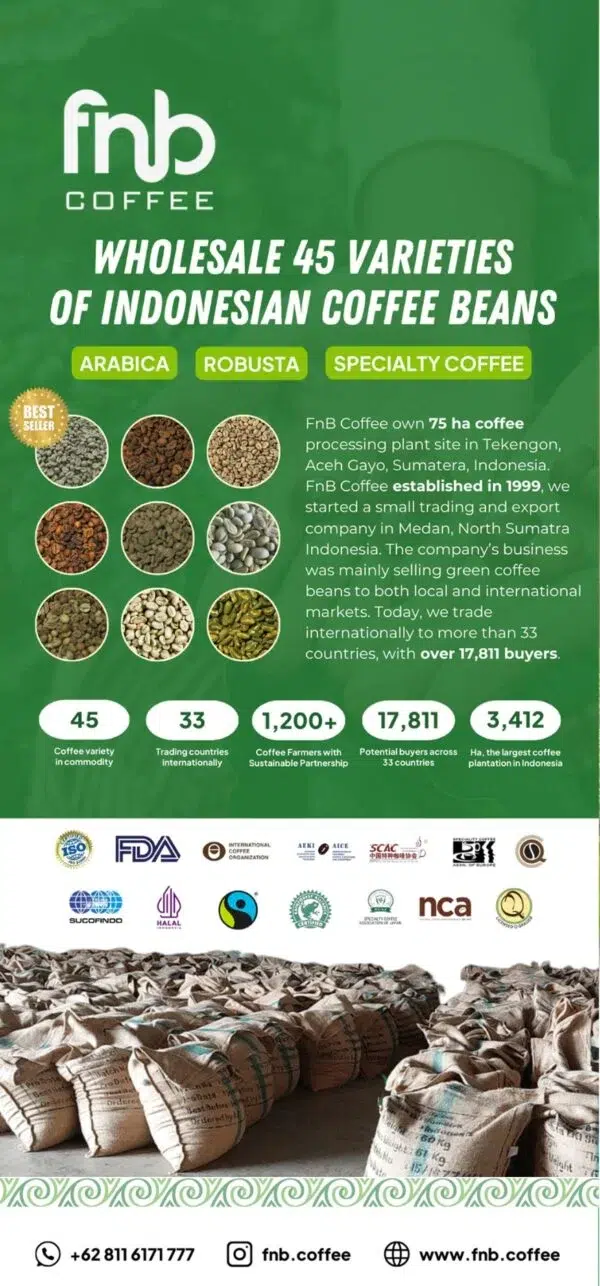
If you want to improve the coffee journey from the beginning, not only after brewing, explore better sourcing options. FnB Coffee offers selected Indonesian green coffee beans for buyers who care about quality, origin, and consistency.
Check our featured products here: https://fnb.coffee/indonesia-green-coffee-beans/
FAQ
1. Can I put used coffee grounds directly on plants?
Yes, but only in small amounts. Mix them into the soil or compost first. A thick layer can clump, hold too much moisture, and reduce airflow.
2. Are used coffee grounds good for compost?
Yes. Used coffee grounds can support compost as a green material. Mix them with brown materials such as dry leaves, cardboard, or paper to keep the pile balanced.
3. Can coffee filters go into compost?
Paper coffee filters can usually go into compost if they are uncoated and free from plastic lining. Tear them into smaller pieces so they break down faster.
4. Should I dry used coffee grounds before storing them?
Yes. Drying helps prevent mold, sour smells, and clumping. Spread them in a thin layer before storing.
5. Can used coffee grounds clog drains?
Yes. Coffee grounds can collect in pipes, mix with grease, and form clumps. Put them in compost or trash instead of sinks or garbage disposals.
6. Are used coffee grounds the same as fertilizer?
No. They can add organic matter and some nutrients, but they are not complete fertilizer. Plants still need balanced nutrition based on soil needs.
7. What is the best use for large amounts of coffee grounds?
Composting or organized organic waste collection is usually best for larger amounts. Cleaning, odor control, and craft use work better for small quantities.
If you already think carefully about what happens to coffee after brewing, it is worth looking at what happens before roasting too. Better green coffee selection can support cleaner flavor, more consistent roasting, and better long-term purchasing decisions. Explore FnB Coffee’s selected Indonesian green coffee beans here: Indonesia green coffee beans

I write for FnB Coffee, and I always have a passion for writing anything that can presents Indonesian Coffee Diversity. From the highlands of Sumatra to the volcanic soils of Java and the unique flavours of Sulawesi, I hope to tell a plethora of stories to showcase the history, customs, and creativity behind Indonesia’s coffee culture. From the cultivation side of farming and sustainability, to brewing and flavor notes, my articles dive into everything to find out what makes Indonesian coffee truly one of a kind.