Last Updated on 10 Mar 2026 by Pippo Ardilles
Coffee is one of the most popular beverages in the world, enjoyed by millions every day. From the first morning sip to the afternoon pick-me-up, coffee has become an essential part of daily life.
But have you ever wondered about the people who make this delicious drink possible? Who are the ones responsible for cultivating and producing the coffee beans that fuel the world?
In this article, we’ll explore what a coffee producer is, their role in the coffee supply chain, and how they impact the quality, sustainability, and future of the coffee industry.
The Role of a Coffee Producer in the Coffee Industry
A coffee producer is someone involved in the process of growing and harvesting coffee beans. They may own the land, manage the cultivation process, or be responsible for the harvesting and initial processing of the coffee cherries.
The role of a coffee producer can vary depending on the scale of the operation, but all producers play a crucial part in shaping the coffee you enjoy.
Coffee producers are often responsible for:
- Cultivating coffee plants: This includes the planting of coffee seeds, caring for the coffee trees, and ensuring they thrive in their environment.
- Harvesting coffee cherries: Coffee cherries must be carefully harvested at the right time, ensuring that the beans inside are of the best quality.
- Processing the beans: After harvesting, coffee producers process the cherries to extract the beans. There are different methods for this, such as wet (washed) or dry processing.
- Exporting: Many coffee producers also play a role in exporting their beans to different countries, providing coffee to the global market.
By understanding the role of coffee producers, we can better appreciate the journey from the farm to the cup, as well as the hard work and dedication that goes into each batch of coffee.
Types of Coffee Producers
There are various types of coffee producers, each operating on different scales and catering to different markets. Here are some of the most common types:
1. Small-Scale Coffee Producers
Small-scale coffee producers are typically local farmers who own and manage small plots of land. They may grow coffee as their primary source of income or alongside other crops.
These farmers often use traditional methods of cultivation and harvesting and may even be involved in processing the beans themselves.
These small-scale producers are crucial for the coffee industry, especially in regions where coffee is a key part of the local economy. Many small-scale producers focus on organic coffee farming and fair trade practices, ensuring that the coffee they produce is both high-quality and ethically sourced.
2. Large-Scale Commercial Producers
Large-scale commercial coffee producers manage large farms or plantations and often have the resources to produce coffee in bulk. These producers are more likely to use mechanized methods for planting, harvesting, and processing, which can help increase efficiency and production volume.
While large-scale producers may not always focus on organic or sustainable farming practices, many are working to improve their environmental impact and align with fair trade certifications.
3. Specialty Coffee Producers
Specialty coffee producers focus on producing high-quality, premium coffee beans that cater to the growing demand for specialty coffee. These producers take extra care in cultivating beans that have distinct flavors and unique characteristics, often influenced by the specific growing region and processing methods.
Specialty coffee producers often partner with third-wave coffee roasters and exporters who emphasize traceability, sustainability, and quality. Specialty coffee beans are often sold at a premium price due to their superior quality and unique profiles.
4. Cooperative Coffee Producers
Cooperatives are groups of small-scale farmers who come together to pool resources, share knowledge, and increase bargaining power in the coffee market. These cooperatives help smaller producers access larger markets, secure better prices, and improve their production practices.
Cooperatives can also help promote fair trade and sustainable farming practices, ensuring that farmers receive a fair price for their coffee while maintaining environmentally-friendly methods.
Coffee Growing Regions and Their Producers
The coffee-growing regions of the world are spread across the globe’s “coffee belt,” which spans between the Tropics of Cancer and Capricorn. These regions provide the ideal climate and conditions for coffee cultivation, including the right amount of rainfall, temperature, and altitude.
Some of the top coffee-producing countries include:
1. Brazil
Brazil is the largest coffee producer in the world, accounting for more than a third of global coffee production. The country produces both Arabica and Robusta coffee beans, with Arabica being the most commonly grown.
Brazilian coffee producers are known for their large-scale commercial operations and mechanized harvesting methods.
2. Colombia
Colombia is known for its high-quality Arabica coffee, which is often considered some of the best in the world. Coffee producers in Colombia are primarily small- to medium-scale farmers who focus on traditional, high-quality production methods.
The country’s coffee is often characterized by its bright acidity and complex flavor profile.
3. Ethiopia
Ethiopia is considered the birthplace of coffee, and its producers are renowned for growing some of the most flavorful coffee beans. Ethiopian coffee producers often grow coffee in smaller, family-owned farms, with much of the coffee being grown at higher altitudes.
The country’s diverse regions, such as Sidamo and Yirgacheffe, produce beans with distinct, fruity flavors and floral notes.
4. Vietnam
Vietnam is the second-largest coffee producer globally, but its coffee industry is largely centered around Robusta beans. Vietnamese coffee producers often work on large plantations and focus on mass production.
The country is also known for its unique coffee processing methods, including the popular “egg coffee.”
5. Vietnam, Honduras, Guatemala, Peru, and Other Latin American Countries
Other Latin American countries, such as Guatemala, Peru, and Honduras, also contribute significantly to the global coffee market, often specializing in high-quality Arabica beans. These countries are home to a mix of small- and large-scale producers, many of whom are increasingly adopting sustainable practices.
The Coffee Production Process
The journey from coffee cherry to the cup involves several steps. Here’s a brief overview of the process:
- Planting: Coffee seeds are planted in nurseries before being transplanted to larger plots of land once they have sprouted into coffee plants.
- Harvesting: Coffee cherries are handpicked, typically when they are ripe. The timing of the harvest is essential for ensuring high-quality beans.
- Processing: After harvesting, the coffee cherries are processed to remove the beans inside. There are two common processing methods:
- Wet (Washed) Processing: The cherries are pulped, fermented, and washed to extract the beans.
- Dry Processing: The cherries are dried whole before being hulled to extract the beans.
- Exporting: Once the coffee beans are dried and processed, they are packed and exported to coffee roasters around the world.
The Impact of Coffee Producers on Sustainability
Sustainability has become a key concern in the coffee industry, and coffee producers are at the forefront of these efforts. Many producers are adopting sustainable farming practices to reduce their environmental impact, including:
- Organic farming methods that avoid the use of synthetic pesticides and fertilizers.
- Water conservation practices, such as rainwater harvesting, to reduce the water footprint of coffee cultivation.
- Agroforestry practices, where coffee is grown alongside trees to maintain biodiversity and prevent deforestation.
In addition, many coffee producers are participating in fair trade certification programs, ensuring that they are paid fair wages and operate ethically.
These programs help improve the livelihoods of coffee farmers while also promoting environmentally-friendly practices.
Challenges Faced by Coffee Producers
While coffee producers play a critical role in the industry, they face several challenges that can impact their livelihoods and the future of coffee production. These challenges include:
- Price volatility: The price of coffee fluctuates on the global market, making it difficult for producers to plan and budget.
- Climate change: Rising temperatures and changing weather patterns threaten coffee-growing regions, with some areas becoming less suitable for cultivation.
- Labor shortages: In many regions, there is a shortage of laborers to harvest and process the coffee, leading to increased costs and difficulties in maintaining production levels.
How Coffee Producers Influence Coffee Quality
The quality of coffee is directly influenced by the practices of the producer. Factors like altitude, processing methods, and attention to detail all affect the flavor profile of the beans.
Coffee producers who focus on high-quality cultivation and processing methods can produce specialty coffees that are distinct, complex, and flavorful.
Conclusion
Coffee producers play a vital role in the global coffee industry, from cultivating coffee beans to exporting them worldwide. Their work directly influences the quality, sustainability, and availability of coffee, which makes their contribution essential for the global supply chain.
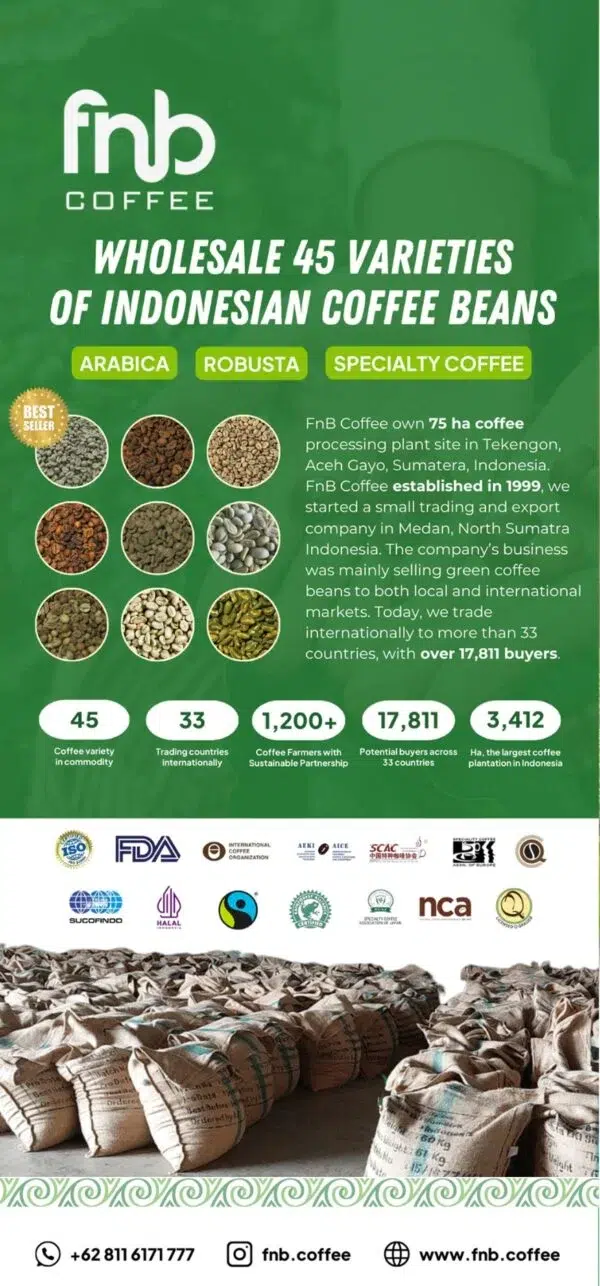
If you’re looking for a reliable coffee producer and exporter with over 20 years of experience, FnB Coffee is here to meet your needs. With our expertise in sourcing high-quality green coffee beans and a commitment to sustainability, we’ve exported to over 33 countries worldwide.
Partner with FnB Coffee for your coffee needs:
Explore our coffee offerings today

I write for FnB Coffee, and I always have a passion for writing anything that can presents Indonesian Coffee Diversity. From the highlands of Sumatra to the volcanic soils of Java and the unique flavours of Sulawesi, I hope to tell a plethora of stories to showcase the history, customs, and creativity behind Indonesia’s coffee culture. From the cultivation side of farming and sustainability, to brewing and flavor notes, my articles dive into everything to find out what makes Indonesian coffee truly one of a kind.